Developing a White Label Telemedicine Platform

Developing a White Label Telemedicine Platform – A Complete Guide

As our world hurtles forward in a whirlwind of technological advancements, our expectations for healthcare have evolved too. There is a demand for convenient and accessible healthcare solutions. Telemedicine has risen to the challenge and caters to the changing needs of the time. Healthcare providers now simply need only choose what kind of white label telemedicine platform they are ready to offer. 

Imagine having the power to create your very own telemedicine platform customized to meet the specific needs of your patients and healthcare providers. With a well-developed white label telemedicine app, you can do just that and more. 

In this article, we will explore the key features and functionalities of telemedicine platform, the development and implementation process, and the future trends and opportunities they present. We will also address the challenges and considerations involved in the telemedicine development process, ensuring that you are well-equipped to navigate this transformative journey. 

Understanding White Label Telemedicine Platform

Understanding White-Label Telemedicine Platforms

But before we dive into the nitty-gritty, let’s take a moment to appreciate the soaring demand for telemedicine services. The COVID-19 pandemic acted as a catalyst, accelerating the adoption of telemedicine and highlighting its indispensable role in delivering healthcare remotely.

According to a study, telemedicine software use increased considerably during the COVID-19 pandemic, with lower use in communities with higher poverty rates. They found that 30.1% of all outpatient visits were conducted via telemedicine software during the pandemic and that the number of weekly visits increased twenty-three-fold compared to pre-pandemic appointments. 

People now seek the convenience of virtual doctor consultations, saving time and effort by avoiding crowded waiting rooms. Telemedicine software has become a lifeline, connecting patients with healthcare professionals, irrespective of physical distance.

What is a White label Telemedicine App?

A white label telemedicine app is a software application allowing healthcare providers to offer telemedicine services to their patients under their brand. Unlike custom-built apps, white label apps are pre-developed and ready-to-use solutions that can be easily customized and rebranded to match the provider’s identity. These apps typically come with essential features such as appointment scheduling, video/audio consultations, secure messaging, and electronic health records (EHR) integration.

Healthcare providers can quickly establish a virtual presence, enabling patients to access medical consultations remotely. The app facilitates seamless communication between patients and healthcare professionals, allowing for real-time consultations, diagnoses, and treatment plans. It also provides a secure platform for sharing medical records and prescriptions.

White label telemedicine apps offer several advantages, including reduced development costs, faster time-to-market, and a tested user experience. These apps enable healthcare providers to leverage the power of telemedicine technology without the need for extensive technical knowledge or resources, ultimately enhancing patient access to healthcare services and improving overall healthcare delivery.

What sets apart white label telemedicine apps from custom-built solutions?

Custom telemedicine solutions differ in terms of their development process and customization options. A telemedicine app is a pre-built, ready-to-use solution that can be easily customized and rebranded to match a healthcare provider’s brand identity. 

In contrast to readymade software, custom-built software involves developing an app from scratch, tailored specifically to the provider’s unique requirements.

While white label apps offer a faster and more cost-effective option, custom-built solutions provide greater flexibility and control over the app’s features and design. Healthcare providers must consider their specific needs, resources, and time constraints when deciding between a white label telemedicine app and a custom-built solution for their telemedicine software.

Key Features and Functionality of  Telemedicine Platform

Key Features and Functionality of White-Label Telemedicine Platforms

1. Appointment booking and scheduling

White label platforms offer user-friendly interfaces for easy appointment management, including calendars, reminders, and rescheduling options.

2. Seamless doctor-patient communication

Real-time, secure messaging systems enable convenient communication between doctors and patients for consultations and inquiries.

3. Video, audio, and chat consultations

White label platforms support various consultation modes, accommodating patient preferences and medical conditions.

4. Electronic health records and data security

Integration with EHR systems provides access to patient history while stringent security measures protect sensitive data.

5. Integration with payment gateways

Secure payment gateways simplify transactions, allowing patients to make payments within the platform.

6. Customization for branding and user interface

Branding options, logos, and personalized interfaces create a consistent and tailored experience for patients.

Reasons You Should be Investing in a White Label Telemedicine Platform

Investing in a telemedicine solutions offers numerous advantages to the healthcare provider. Here are some of the reasons you should look for a telemedicine platform development:

Reasons You Should be Investing in a White-Label Telemedicine Platform

1. Cost-effectiveness

White label telemedicine platforms offer a cost-effective solution compared to custom-built options, as they eliminate the need for extensive development and coding from scratch.

2. Time-saving

Investing in a white label telemedicine platform allows you to launch your telemedicine services quickly without the lengthy development process, significantly reducing time-to-market.

3. Customizability

White label platforms provide the flexibility to customize and brand the app according to your organization’s identity, ensuring a seamless user experience for both patients and healthcare providers.

4. Proven functionality

White label telemedicine platforms are already tested and refined, ensuring reliable performance and a user-friendly interface, backed by their successful implementation in the market.

5. Scalability

With a white label solution, you can easily scale your telemedicine services as your user base grows without worrying about technical limitations or infrastructure constraints.

6. Enhanced patient care

A white label telemedicine platform allows for efficient remote consultations, enabling patients to access healthcare services conveniently and receive timely medical assistance regardless of their location.

7. Competitive advantage

Investing in a white label telemedicine platform gives your organization a competitive edge in the evolving healthcare industry, meeting the increasing demand for accessible and convenient telemedicine services.

Developing a White Label Telemedicine Platform
Developing a White-Label Telemedicine Platform

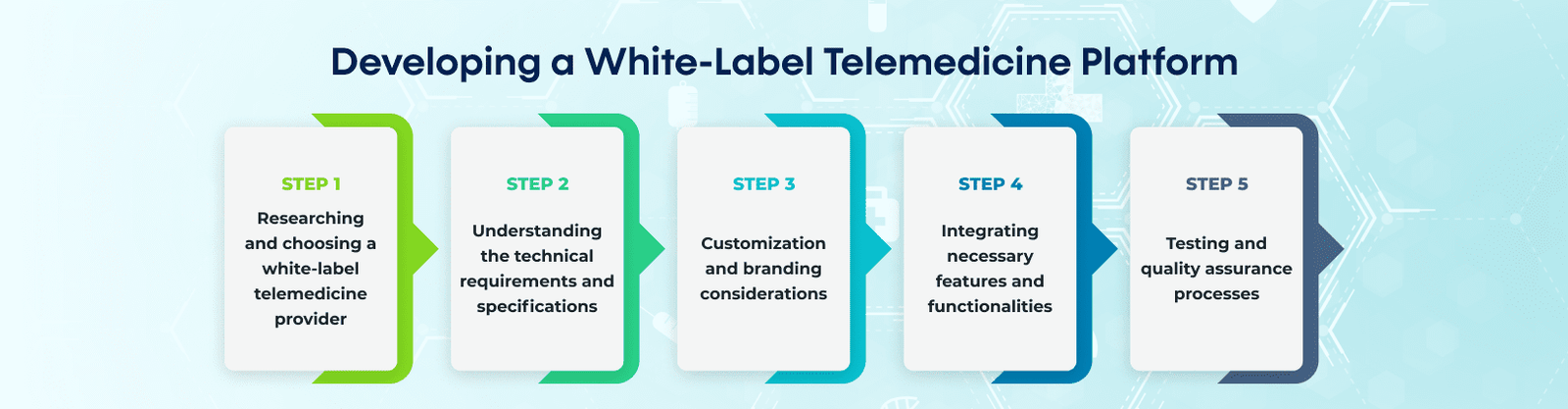
Let us look into the process of creating a white label telemedicine app for your healthcare service. 

Step 1: Researching and choosing a white label telemedicine provider

The first step in developing a white label telemedicine platform is to research and select a reliable and reputable white label telemedicine provider. Evaluate different providers based on factors such as their track record, customer reviews, available features, scalability, and pricing plans. Consider your specific requirements and choose a provider that aligns with your business goals.

Step 2: Understanding the technical requirements and specifications

Once you’ve chosen a provider, it’s essential to understand the technical requirements and specifications of the white label platform. This includes determining compatibility with different devices and operating systems, network requirements, and integration capabilities with other systems or databases. Collaborate with your IT team or the provider’s technical support to ensure a smooth implementation.

Step 3: Customization and branding considerations

Customization options should be explored to create a unique and branded telemedicine software. Consider aspects like logo placement, color schemes, fonts, and overall user interface design. Ensure that the platform reflects your organization’s brand identity and provides a seamless user experience for patients and healthcare providers.

Step 4: Integrating necessary features and functionalities

Work closely with the white label provider to integrate the required features and functionalities into the platform. This may include appointment scheduling, secure messaging, video consultations, electronic health records, payment gateways, and other specific requirements based on your telemedicine services. Ensure that the platform supports essential functionalities for both patients and healthcare professionals.

Step 5: Testing and quality assurance processes

Before launching the platform, rigorous testing and quality assurance processes are crucial. Conduct thorough testing to identify and fix any bugs, ensure proper functionality, and verify the security of patient data. Test the platform from different devices and networks to ensure a consistent and reliable user experience. Perform comprehensive quality checks to guarantee that the platform meets industry standards and regulatory compliance.

Future Trends and Opportunities in White Label Telemedicine Platforms
Future Trends and Opportunities in White-Label Telemedicine Platforms

The future of white label telemedicine platforms holds exciting possibilities for innovation and growth. Here is what we can expect from Telemedicine and Telehealth in 2023 and in the future. Advancements in artificial intelligence and machine learning are poised to enhance the capabilities of these platforms, enabling personalized treatment plans and more accurate diagnoses. Integration with wearable devices and remote monitoring tools will enable continuous health tracking, further enhancing the remote healthcare experience. Moreover, telemedicine services are expanding beyond primary care, encompassing specialties and subspecialties, opening up new avenues for telemedicine software providers. The increasing demand for telemedicine services presents significant opportunities for platform providers to meet the evolving needs of patients and healthcare professionals alike. By staying at the forefront of these trends, white label telemedicine platform providers can shape the future of healthcare delivery.

Final Words

Developing a white label telemedicine platform allows healthcare providers to meet the growing demand for convenient and accessible healthcare services. 

With the ability to customize and brand the platform, healthcare providers can establish their virtual presence quickly and provide seamless communication between doctors and patients. By leveraging these platforms, healthcare providers can revolutionize the way healthcare is delivered, ensuring accessibility, convenience, and quality care for all.

If you’re ready to harness the power of white label telemedicine platforms, EMed HealthTech – a healthcare app development company is here to help. 

With our expertise in building customizable and branded telemedicine solutions, we can empower your healthcare organization to deliver convenient and accessible healthcare services. 

Contact us today to explore the possibilities!
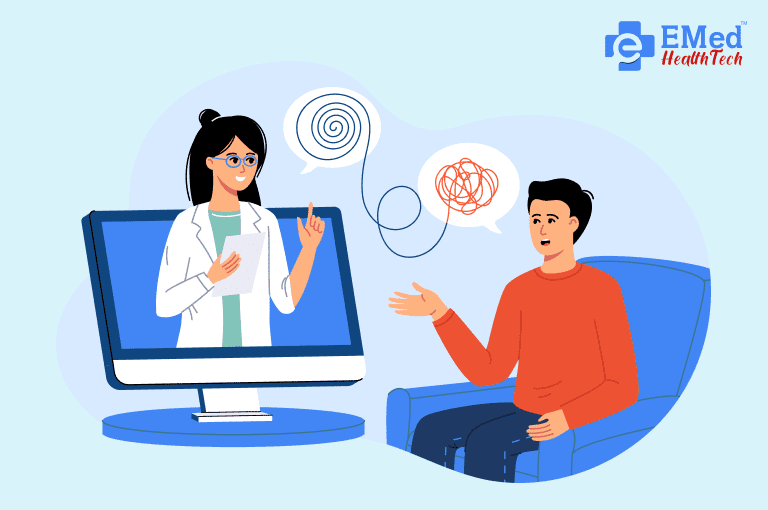
How Telemedicine Bridges the Gap in Mental and Behavioural Healthcare

How Telemedicine Bridges the Gap in Mental and Behavioural Healthcare

In recent years, telemedicine has emerged as a game-changer in the healthcare industry, offering patients and providers a new way to interact with each other. This was especially evident during the Covid-19 pandemic when the usage of telemedicine services spiked. 

In particular, telemedicine has made a significant impact on the field of mental and behavioural healthcare. Mental health conditions such as anxiety, depression, and substance abuse are prevalent worldwide, yet access to care can be challenging due to stigma, cost, and limited resources. Telemedicine online platform development has provided a means of addressing these barriers and improving access to care for needy patients.

In this article, we will explore how telemedicine is bridging the gap in mental and behavioural healthcare and the benefits it offers to both patients and providers.

5 Major Challenges in Traditional Mental and Behavioural Healthcare

5 Major Challenges in Traditional Mental and Behavioural Healthcare

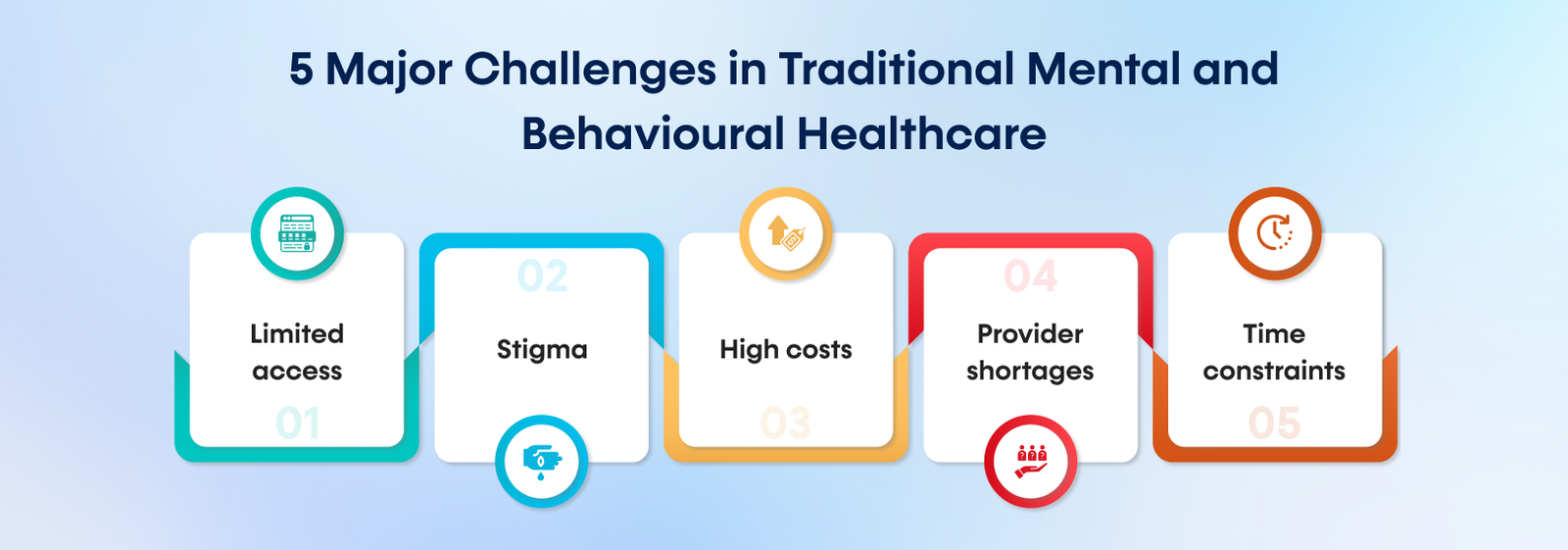
Challenges in traditional mental and behavioural healthcare can be numerous and complex. These range from social issues to technical and accessibility issues. Here are some of the major challenges that traditional mental and behavioural healthcare faces:

Limited access

One of the biggest challenges in traditional mental and behavioural healthcare is limited access to care. People living in rural or remote areas may not have access to mental healthcare services or may have to travel long distances to receive care. This can be particularly difficult for those who have mobility or transportation issues.

Stigma

Another major challenge in traditional mental and behavioural healthcare is mental illness stigma. Many people feel ashamed or embarrassed to seek help for their mental health issues or may fear being judged by others. This can prevent them from seeking the care they need.

High costs

Traditional mental and behavioural healthcare can also be costly, particularly for those without insurance or limited financial resources. This can create a significant barrier to accessing care for those who need it.

Provider shortages

There is a shortage of mental health providers in many areas, making it difficult for individuals to receive timely and effective treatment. This is particularly true in rural areas, where the number of mental health providers is often lower than in urban areas.

Time constraints

Traditional mental and behavioural healthcare also faces time constraints, particularly in scheduling appointments and providing follow-up care. This can make it difficult for individuals to receive the ongoing care they need to manage their mental health issues.

Bridging the Gap Between Telemedicine in Mental and Behavioral Healthcare: 4 Steps

Mental health is crucial to overall well-being, yet it is often neglected or stigmatized. The World Health Organization reports that one in four people globally will be affected by mental or neurological disorders at some point. Unfortunately, mental health care is still not easily accessible to all individuals due to various factors such as social stigma, lack of healthcare professionals, and limited access to healthcare facilities, particularly in rural areas.

However, telemedicine has brought about significant improvements in the mental healthcare system. Telemedicine for mental health has become a vital tool in bridging the gap between patients and healthcare providers. It has revolutionised mental healthcare delivery by providing a way to reach and treat patients who otherwise would not have access to care.

Bridging the Gap Between Telemedicine in Mental and Behavioral Healthcare_ 4 Steps

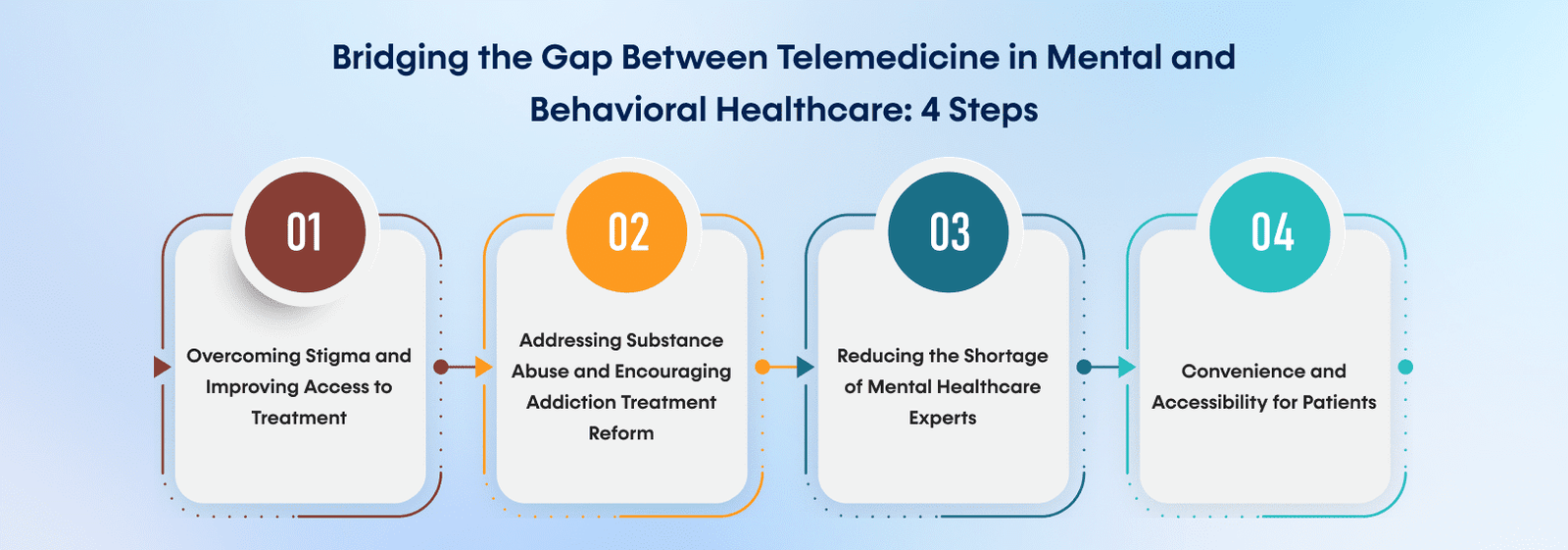
Here are some changes that remote access telemedicine software can bring to providing mental health treatment.

1. Overcoming Stigma and Improving Access to Treatment

Telemedicine for mental health has the potential to break down the stigma surrounding mental illnesses and make it easier for people to access proper treatment. By providing care remotely, patients can receive treatment from the comfort and privacy of their homes without worrying about being seen going to a mental health clinic.

2. Addressing Substance Abuse and Encouraging Addiction Treatment Reform

Telemedicine for mental health is also effective in addressing the opioid epidemic and the substance abuse that it entails, thus encouraging reform in addiction treatment. Telepsychiatry allows for easier access to medication-assisted treatment, which has been shown to be effective in treating opioid addiction. It also enables patients to access care more frequently, improving outcomes.

3. Reducing the Shortage of Mental Healthcare Experts

Telepsychiatry can help alleviate the shortage of mental healthcare experts. It allows healthcare providers to reach patients in remote or underserved areas, increasing access to care for those who may not have otherwise been able to receive it. This can also help reduce appointment wait times and improve overall patient outcomes.

4. Convenience and Accessibility for Patients

Finally, telemedicine for mental health is more convenient and easily accessible for people struggling with mental illnesses. It eliminates the need for patients to travel to a physical clinic, which can be difficult for those with limited mobility or transportation options. This can make it easier for patients to stick to their treatment plans and receive the care they need on a regular basis.

Challenges and Future of Telemedicine in Mental and Behavioural Healthcare

Despite the numerous benefits of telemedicine in mental and behavioural healthcare, it also faces several challenges that hinder its effectiveness. One major challenge is the difficulty in assessing nonverbal cues and body language through video consultations. The inability to perform physical exams or tests remotely also gets in the way, as some conditions require one-on-one physical tests. 

Another challenge is the digital divide. Some patients may not have access to the internet or a smartphone, which makes it impossible for them to use telemedicine services. Moreover, some patients may not be comfortable with technology, which can make it challenging for them to receive treatment through telemedicine. There is also the issue of privacy and security. Though there are some challenges in implementing Telemental Health, we can overcome them by using the latest healthcare technologies. Mental health professionals have to ensure that the patient’s data is secure and that there is no breach of confidentiality during the telemedicine session.

What is the Future Hold for Telemedicine in Mental and behavioural health?

The future of telemedicine in mental and behavioural healthcare looks promising. With the increasing demand for mental health services, telemedicine provides a viable solution for reaching more patients and providing timely treatment. Telemedicine also allows mental health professionals to monitor patient’s progress and adjust their treatment plans accordingly.

Technology advancements are also improving telemedicine’s effectiveness in mental and behavioural healthcare. For example, virtual reality therapy is becoming more prevalent in treating anxiety and phobias. Moreover, artificial intelligence is being used to detect early signs of mental illness and provide personalised treatment plans. Here is how you can implement Telehealth & Telemedicine in your hospital & clinic.

Summing Up 

Telemedicine has revolutionised the delivery of mental and behavioural healthcare, making it more accessible. This has broken down the stigma surrounding mental illnesses and made it easier for people to access proper treatment. Telemedicine has also allowed easier access to medication-assisted treatment and reduced the shortage of mental healthcare experts. Challenges in traditional mental and behavioural healthcare include limited access, stigma, high costs, provider shortages, and time constraints. However, the future of telemedicine in mental and behavioural healthcare is bright, with potential for further development and expansion. 

To benefit from telemedicine apps and websites for your mental and behavioural healthcare needs, contact us at EMed HealthTech, a leading telemedicine app development company. We provide customised telemedicine app development services that suit your particular needs. Our client-centric approach ensures all your needs are met through the custom healthcare app we create. Mark your presence in the mental healthcare industry with a sturdy telemedicine app to cover your technical needs. 

Key Considerations for Developing a Telemedicine Application for the US

Key Considerations for Developing a Customized Telemedicine App

Telemedicine is a blessing for the modern world. It opens up opportunities that we did not have. With it, patients have remote access to healthcare services. They can have remote doctor visits and get diagnoses and treatment plans. 

Telemedicine is famous for patients since the pandemic. It was popular in the US too. With this technology, patients could stay in the safety of their homes and get healthcare services. 

Its traction will increase in the coming years as well. Healthcare providers need to prepare for the future. They should understand everything that goes into making such an app.  

Our experts have listed the key points for developing a customized Telemedicine app. Save this list to make sure your app stands out from your competitors.

1. Keeping the Telemedicine App User-Friendly

User interface design is what a patient sees when using your app. This interface must be simple, intuitive, and user-friendly. Only then can a patient find what they are looking for. Navigation is important for retention as well. 

It should have an optimized interface design for different devices. This way patients can use the app from smartphones, tablets, and desktops. A well-designed app encourages patients to use the app. The result is better patient engagement and improved health outcomes. 

2. Ensuring the Essential Feature Set of Telemedicine

Creating a custom telemedicine app requires choosing its features. The must-haves are video calls and messaging. Other facilities include appointment booking, and managing patient records. There should be the option to customize features for different medical fields. Customization lets healthcare providers adapt the app to their specialty. 

3. Hiring Experienced Telemedicine App Developers 

Building a top-notch telemedicine app does not happen overnight. It is the hard work of experts. You must hire experienced telemedicine app developers. They know the ins and outs of app development. Their experience can make sure it’s trustworthy, safe, and easy to use. 

A good app should be able to integrate with other healthcare systems. Always choose a team with a good history in custom telemedicine app development. This can save you time and money. 

4. Managing Costs and Timeline for Development

Developing a telemedicine app involves significant costs. Without careful thought, it can end up in losses. Careful management of the budget and timeline is essential. The budget should include development expenses, platform fees, framework costs, and ongoing maintenance. 

A budget allows healthcare providers to understand the financial implications and plan accordingly. Setting up a clear development timeline helps ensure the project stays on track and within budget. Consider all the costs before you get down to developing. This way you can ensure your investment pays off. 

5. Seamless Integration with Third-Party Systems

For custom telemedicine apps, connecting with other systems is vital.  Developers do this by integrating APIs. It can communicate and coordinate with other essential services. eg:  With API integrations, you get all that you need in one interface. Some of the common integrations are:

The developer you choose has to be an expert in API integration. This will give you peace of mind regarding privacy and security. A smooth API integration means that your app works smoothly.

6. Prioritizing Data Security and Privacy

A customized telemedicine app deals with a lot of information. This is sensitive information. Handling and storing them come under legal scrutiny. In the US there are regulations like the HIPAA. It ensures that patient data are private and safe. 

The app has to comply with the regulations of the region. This will help prevent unauthorized access or leak of data. The app should be well protected with necessary security measures. Some of them are 

  • end-to-end encryption
  • regular security audits
  • secure user authentication

7. Healthcare Regulatory and Security Compliance

As discussed above, regulatory bodies have strict rules to bind medical practices. Here are some aspects, eg: Medical malpractice, privacy, billing and coding, and prescription drug regulation.

These strict measures promote transparency and accountability. HIPAA is one such regulation enforced in the United States. Other countries have different compliance such as PDP, PIPEDA, GDPR, and HL7/FHIR. Here is the healthcare regulatory compliance to follow while developing an application. All of these are in place to promote ethics in the industry.

8. Custom Telemedicine App Development for Specialty Care

Every area of medical/healthcare is different. The kind of healthcare app development services provided varies from one to the other. The apps that cater to this department are bound to be different. Telemedicine app development services should be flexible. They should be able to create custom apps for these different departments. 

A telemedicine app development company is building an app for mental health, neurology, and more. The interface for each of these areas would be different. The mental health app would have mood trackers, virtual therapy sessions, etc. The pediatrics app would have vaccination schedules and growth trackers. 

 9. Uninterrupted Care Delivery with Telemedicine

Uninterrupted care is vital for app users. Having 24/7 customer support is a must for healthcare providers and patients. If there’s a technical problem or any issue, support is required. Choose the telemedicine app development company that provides 24/7 SLA support. 

With round-the-clock support, they can give support at all times. This ensures continuous care. This reduces the chances of treatment interruptions and keeps patients happy. Efficient support lets healthcare providers catch and fix problems early. This way you can prevent bigger issues down the road.

10. Enhancing User Experience with Additional Features

Including the main features, custom Telemedicine apps can have extra features like push notifications and chatbots. They give users quick and easy access to information. Automated appointment reminders decrease no-shows and keep patients engaged. They may be designed to make the user experience better. These are what sets an ordinary app from a good one. Multi-language support feature helps reach a diverse patient group. 

Having these features makes the app more appealing to both parties. It’s a great way to improve the experience and satisfaction of users.

Summing Up 

The concept of Telemedicine is growing. It is making healthcare easy to access and affordable. But it takes a lot of work and effort to make it happen. It takes the well-thought-out planning of a provider and the skill of a developer. If skill, planning, and implementation come in the right proportion, it makes a great app.

Are you looking for custom telemedicine app development services? EMed HealthTech will be the best choice. Make sure you keep all of the above tips in mind. 

By prioritizing these factors, healthcare providers can create great apps. These apps can deliver patients safe, effective, and personalized care.

At EMed HealthTech, we understand the challenges in delivering virtual services. And we explained, how to get the benefits of Telemedicine in Virtual care. That’s why we offer custom telemedicine app development services that cater to different needs. 

We have a team of expert developers having vast experience in developing telemedicine apps for a long list of clients. We ensure compliance, ease of use and provide 24/7 SLA support. 

Contact us today to learn more about customized Telemedicine application development by EMed HealthTech.  We can help you deliver the best care possible to your patients.

How Telemedicine Safeguards Womens Health In Rural Areas

How Telemedicine Safeguards Women’s Health In Rural Areas?

Access to healthcare is a basic human right, yet it can be a significant challenge for many women living in rural areas. Rural areas are often far from hospitals and clinics, and transportation can be a major hurdle. This can make it difficult for women to get the care they need, particularly those living with chronic conditions or undergoing pregnancy. 

However, telemedicine app is changing the game by bringing healthcare to the patient’s doorstep. In this article, we’ll explore how telemedicine empowers women in rural areas by making healthcare accessible, affordable, and convenient. We’ll also discuss how telemedicine is used to safeguard women’s health in rural areas.

4 Major Challenges in Women’s Healthcare in Rural Areas

Living in a rural area can present unique challenges when it comes to accessing healthcare, particularly for women. This is a universal phenomenon due to dominant social and cultural norms which put women at a disadvantage. 

While urban areas have many healthcare facilities and specialists, those living in rural areas may not have the same level of access. As a result, women in rural areas often face various challenges when it comes to maintaining good health.

1. Lack of Healthcare Facilities

One of the most significant challenges women face in rural areas is the lack of healthcare facilities. Many rural areas have a limited number of hospitals, clinics, and medical centers, making it difficult for women to access healthcare services. This can be particularly challenging for women who require specialized care, such as obstetricians and gynecologists.

2. Shortage of Healthcare Professionals

Another challenge in rural areas is the shortage of healthcare professionals. Many healthcare professionals choose to work in urban areas, leaving rural areas with few doctors and nurses. This can make it difficult for women in rural areas to find healthcare providers who specialize in women’s health.

3. Limited Access to Specialized Care

In addition to the shortage of healthcare professionals, women in rural areas may have limited access to specialized care. For example, women who require advanced diagnostic testing for specialized surgery may need to travel long distances to access these services. This can be particularly challenging for women who do not have access to reliable transportation or who cannot afford to travel.

4. Socio-Economic Factors Affecting Women’s Health

Finally, socio-economic factors can also impact women’s health in rural areas. Women in rural areas may be more likely to live in poverty, making it difficult to access healthcare services. Additionally, women in rural areas may have limited access to healthy food options or safe places to exercise, contributing to various health issues.

4 Key Benefits of Telemedicine in Women’s Healthcare

Benefits of Telemedicine in Women's Healthcare

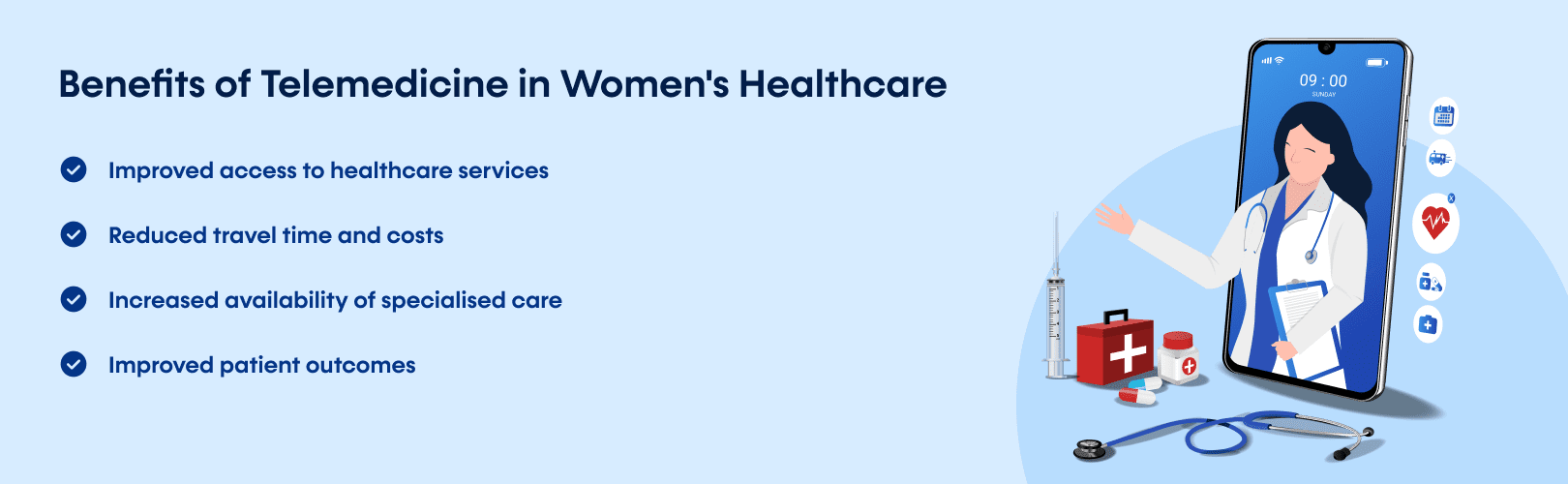
Telemedicine has revolutionized healthcare delivery, especially in rural areas where accessing quality healthcare services has always been challenging. It plays a crucial role in improving the overall health and well-being of rural women. There are some significant benefits of telemedicine in virtual healthcare. Here are some of them: 

1. Improved access to healthcare services

Telemedicine improves access to healthcare services that’s why it is a must for quality healthcare. Women living in rural areas often lack access to primary care physicians, let alone specialists, due to a shortage of healthcare facilities and professionals. Telemedicine eliminates this barrier by providing remote access to healthcare services, enabling women to consult doctors and specialists regardless of location.

2. Reduced travel time and costs

Women in rural areas often travel long distances to access healthcare services, which can be costly and time-consuming. With telemedicine, patients can access care from the comfort of their homes, eliminating the need for travel and reducing costs associated with transportation, accommodation, and other related expenses.

3. Increased availability of specialized care

Another benefit of telemedicine is that it increases the availability of specialized care. Rural areas often lack specialized healthcare services due to a shortage of trained professionals. With telemedicine, women can access specialized care from remote locations, receiving timely and effective treatment for conditions that would otherwise go untreated.

4. Improved patient outcomes

By providing remote access to healthcare services, women living in rural areas can receive timely and effective care for a wide range of conditions, including chronic diseases, mental health issues, and maternal and child health. Telemedicine allows healthcare providers to monitor patients’ health status remotely, enabling them to detect and address health issues before they become severe.

Few Examples of Telemedicine in Women’s Healthcare

Examples of Telemedicine in Women's Healthcare

As Teleconsultation is shaping the future of healthcare, we can expect much from Telemedicine and Telehealth in 2023 and beyond. Here are some examples of telemedicine making an impact on the health of rural women. 

Teleconsultations for gynecological and obstetric care

– Teleconsultations allow women in rural areas to consult with gynecologists and obstetricians without traveling, saving them time and money.

– With telemedicine, healthcare professionals can diagnose and treat various conditions such as irregular menstrual cycles, urinary tract infections, and abnormal Pap test results.

– Women can also receive guidance on family planning, pregnancy-related issues, and menopause through teleconsultations.

Remote monitoring of high-risk pregnancies

– Telemedicine helps pregnant women in remote areas receive timely and appropriate care, reducing the risk of complications.

– Healthcare professionals can monitor vital signs, fetal development, and other parameters through remote monitoring devices.

– Women can also receive guidance on proper prenatal care and nutrition through telemedicine.

Telemedicine for mental health services

Though there are some challenges in Telemental health, they can be overcome.

– Telemedicine helps women in rural areas access mental health services without needing travel, which can be especially beneficial for those with limited mobility or transportation.

– Women can receive counseling for various mental health issues, including depression, anxiety, and postpartum depression.

– Healthcare professionals can also provide support for coping with domestic violence, sexual abuse, and other traumatic experiences.

Telemedicine for preventive care

– Telemedicine enables women to receive regular preventive care services such as mammograms, Pap tests, and STD screenings without traveling long distances to a healthcare facility.

– Healthcare professionals can also provide guidance on healthy lifestyle choices, such as proper nutrition and exercise.

– This service helps women in rural areas stay proactive about their health, reducing the risk of developing serious health conditions.

Challenges in Telemedicine Implementation

Telemedicine sounds like the ideal solution. However, it is plagued by obstacles that prevent its effective implementation.

In rural areas, the lack of infrastructure and technology can create obstacles to providing telemedicine services. Additionally, limited healthcare resources, including trained healthcare professionals, equipment, and medication, can make it difficult to implement telemedicine successfully. There is a need for policy changes and regulations to ensure that telemedicine is integrated into the healthcare system in rural areas, providing reliable and accessible healthcare services to women. By addressing these challenges, telemedicine can play a crucial role in safeguarding women’s health in rural areas, particularly those who face difficulties in accessing healthcare services.

Summing Up 

Telemedicine is a promising solution to improve healthcare access and quality for women in rural areas. It offers a solution to bring in much-needed access to healthcare for women and thereby uplift society as a whole. Despite the challenges that pave the way, telehealth stands as a beacon of hope for rural women. 

If you want to integrate telemedicine into your healthcare practice, EMed HealthTech provides custom telehealth app development services that can help you provide remote care to your patients. With our expertise in developing HIPAA-compliant telemedicine apps, we can create a personalized telehealth solution for your practice to ensure that you can offer high-quality care to your patients, no matter where they are located.

Dec 2022 Doctor On Demand App Development The Future of the Healthcare Industry

How Will Doctor On-Demand Apps Revolutionize the Healthcare Industry?

There are amazing ways in which technology has seeped into our daily lives to make them more convenient. One such way is how we perceive healthcare today. Get prescriptions without hospital visits and medicines without pharmacy visits, and keep better track of your illnesses without leaving your home. All of this is possible thanks to technology.

One such way we are benefited from technology is the doctor-on-demand app. It is increasingly popular with features that let you call a doctor on demand and get the medical advice you want. If you are a doctor or healthcare provider who wishes to enter this market segment, this article talks about what a doctor on-demand app development is and how it will help to revolutionize the healthcare industry.

Doctor On-Demand Apps: What are They and Why are they So Popular?

A doctor on-demand app is an app that facilitates virtual consultations with doctors via video conferencing. It can be done from anywhere, even at home, as all it takes is a stable internet connection and the doctor’s availability. Doctor-on-demand apps are becoming virally popular due to many reasons.

Advantages for patients

Advantages-for-patients

– Remote access: Seeing a doctor when one is not well is not a pleasant experience. Especially if the doctor in concern is in a far-off city. With a doctor on-demand app, this is made possible.

– Affordable services: With a doctor’s on-demand app, there is no need to travel distances, waste time in queues, and take leaves at work, leading to lower expenses.

– Better medical adherence: With better and regular follow-ups and easier interaction with medical professionals, the outcomes of the treatments are also better.

– Less paperwork: With appointments and registration all made online, there is very little paperwork involved, only electronic records.

Advantages for Practitioners

Advantages-for-Practitioners

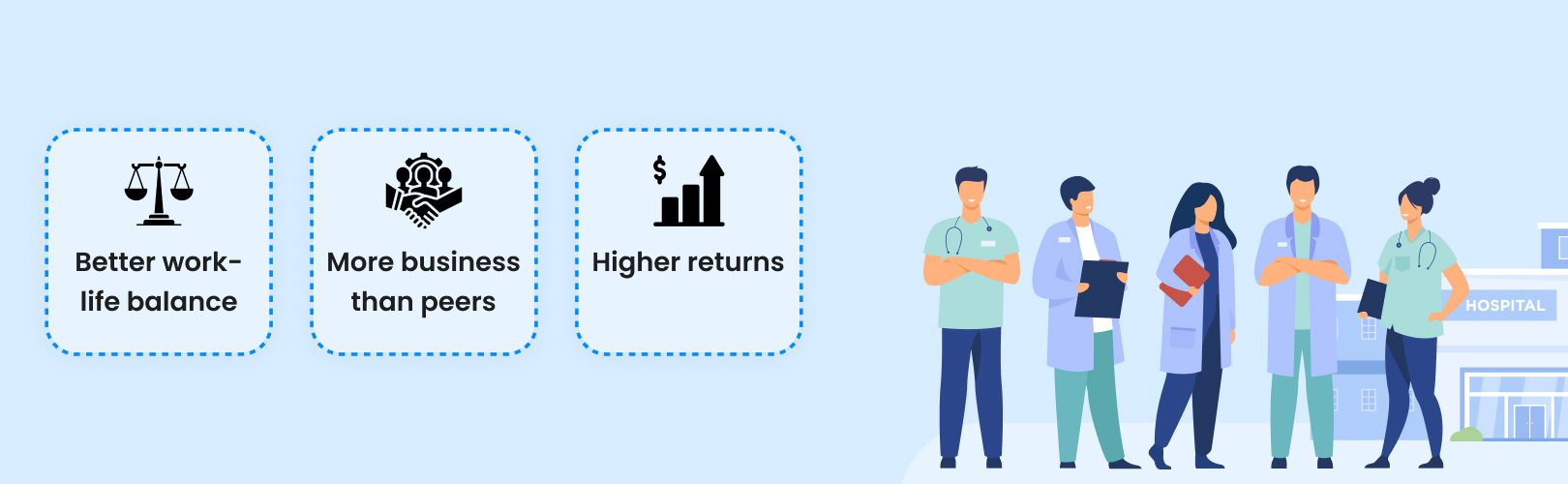
– Better work-life balance: Doctors can have better access to their work without having to travel distances between the offices and patients’ homes.

– More business than peers: Cutting-edge technology like a doctor’s on-demand app is much better than traditional visits. Customers would prefer it over the hassles of going physically to a clinic, giving you an advantage in competition.

– Higher returns: with a doctor on-demand app, the expenses spent on staff, equipment, and infrastructure are considerably lower, while the inflow of patients is higher.

How Does a Doctor On-Demand App Work?

Using a doctor on-demand app is as easy as using any other app with GPS. Here is the average user journey:

  1. Download the app, set up a profile, and submit a description of illnesses and problems.
  2. Specialists related to the problems are listed from the area detected via GPS.
  3. The patient picks a doctor, the date and time from the doctor’s calendar according to availability.
  4. The consultation takes place, e-prescription is provided along with the required course of medical action.
  5. The payment is made through a secure payment portal.

Questions to Ask Yourself Before Investing in On-Demand App Development

Before creating an on-demand doctors app, there are certain things you need to ask yourself. These questions can be used as a checklist to ensure you are on the right path. Here they are:

–  Who is my target audience?
Once you know the kind of users who will be using your app, you can consider how it can fit their needs and make it more user-friendly.

–  Do I have a good network of doctors, to begin with?
You must certify doctors from different streams to be part of your telemedicine app.

–  What features should I include?
You need to be certain about the features you will include in the app. Some non-negotiable features are a camera, map, payment portal, etc.

–  What are the compliances I need to be aware of?
You must be aware of the different app integrations, certifications, and medical acts you must follow.

–  What technology stack should I use?
The kind of technology you use reflects on the end-user experience. Without the best-suited tech stack, your app cannot be smooth and easy to use.

–  What is my budget?
Without knowledge of the kind of budget you have, you cannot make viable plans.

Technologies and Tech Stack for Your Doctor On-Demand App

Let us take a quick look at the kind of tech stack required to make a doctor on-demand app.

Frontend                                          

  1. CSS
  2. Java
  3. React

Backend

  1. Laravel
  2. Node.js

Platform

  1. Android
  2. iOS
  3. Web App

Payment

  1. Paytm API
  2. PayPal API
  3. Razorpay API

Location

  1. GoogleMapsSDK (Android)

Social Login

  1. Google
  2. Facebook

SMS/Messages/Notification

  1. Twilio
  2. Push.io
  3. Batch

Database

  1. MySQL
  2. MongoDB

The different technologies used in a doctor on-demand app include:

– AI and ML: Artificial intelligence and machine learning are an integral part of apps these days to ensure better user experience

– Blockchain: Blockchain has found wide implementation in telemedicine apps to ensure the security of sensitive data as well as easy access to records

– Virtual Reality & Augmented Reality: The use of VR and VR on telemedicine apps helps make interactions more effective as doctors can better inform patients about their conditions with such technology

– 5G: With 5G, the connectivity speed becomes manifold, making the whole process more effective and seamless.

– Voice Search: with voice search, users can use their voice to make it more convenient and user-friendly.

– Third-party integration: The app can use third-party integrations for features like ERP, shipping & logistics, Chatbots, email, Payment gateways, analytics, etc.

How to Choose the Right On-Demand App Development Partner?

Making an on-demand doctor app is not easy. There are a lot of complicated things that come together to make the app possible. Finding the right developers, tech stack, designers, budget, time frame, and so much more affect the output. One way would be to do it with an in-house team. However, we focus only on an external option for obvious reasons like expenses and time.

A doctor appointment booking app development partner would ideally have the following:

– A rich experience.

– A good client list.

– Impressive portfolio.

– Willing to work within your parameters.

– Flexibility to work with your ideas.

Also, Read the Experts Tips and Tricks of Doctor Appointment Booking App by EMed HealthTech.

If you are looking for one such development team, you need not look any further.

Why Trust EMed HealthTech With Your Doctor App?

EMed HealthTech is a leading custom software development company for the healthcare industry. We have been providing comprehensive healthcare IT consultation focusing on technology, healthcare, and marketing. We empower our clients to improve customer experience and engagement. Without tech products, we ensure healthcare practitioners improve their health outcomes and increase revenue generation.

Our prestigious client list and the long list of previous projects speak volumes about our experience. Contact us today to make an appointment and start your app development journey.

FAQs About Doctor On-Demand App

1. What is a doctor on-demand app?

A doctor on-demand app provides a virtual consultation platform with doctors. Patients can now consult doctors from the comfort of their homes.

2. How much does the doctor on-demand app development cost?

The cost varies according to the app’s size and complexity it has. There is no fixed price as such

3. How to know if you should invest in a doctor on-demand app?

If you are a healthcare practitioner willing to take the leap into the technology of the future and be on the side of industry leaders, then this investment suits your journey.


Top 5 Reasons to Develop A Telemedicine App

Top 10 Reasons to Develop a Telemedicine App

The concept of telemedicine apps has been around for a long time. The COVID pandemic forced us to resort to telemedicine out of the restrictions imposed on movement. It has highlighted the need to integrate a functional telemedicine system that runs alongside regular healthcare.

Connecting patients and healthcare providers via technology are being increasingly implemented worldwide post COVID. The onset of COVID also warmed up the users to the benefits of telemedicine. Post-COVID, there has been a stark increase in the number of virtual consultations via doctor appointment booking apps. Studies show that there has been a triple increase in the investment made to telemedicine in 2020 than it had in 2017.

It is an area that has the potential to change the way we see medical care. Here is all you need to know about telemedicine, its implementation via telemedicine app, why you should invest in it, and the challenges faced in the process.

What is a Telemedicine App?

telemedicine

A telemedicine app is a software that functions as a platform to avail various healthcare services. It serves the patients to determine the nature of their ailment, find the apt healthcare provider, and provide virtual consultation, and follow-ups. It is also an avenue to cater to pharmaceutical needs, and avail services of testing and lab facilities.

Telemedicine apps also provide the platform for healthcare providers to connect to patients, organize data and schedules, manage visits, and more.

It is a holistic platform that has a wide range of functions. When developed properly, telemedicine software can create the ideal network of healthcare providers and patients. The healthcare industry is adopting this technology to enmesh its services with the needs of the day.

If COVID showed us telemedicine was indispensable, we are making a stronger case for it. Here are some very compelling reasons why you should be investing in a telemedicine app today

1. Better access to healthcare: Healthcare has often been inaccessible to people who live in rural areas. Sometimes a specialist we need is not available in a country. This challenge of distance and access is neutralized when there is a virtual set-up that enables the meeting of people from whichever corner of the world.

2. Maintain social distance: This is the first and foremost reason telemedicine was popular during the COVID pandemic. It serves the purpose later too, as contagious diseases will spread less when more and more people opt for virtual consultations.

3. Steady care for chronic health issues: Patients who battle chronic illnesses like diabetes, heart diseases, or lifestyle diseases need not travel to the doctor for every consultation. A virtual care system enables the patient to stay in the comfort of their home.

4. Reduces patient waiting time: Access to healthcare is hindered majorly by waiting time. The availability of doctors in a particular area, the number of patients seeking the same doctor, and the lack of a proper system in place contribute to the cause of the patient.

5. Lower treatment costs: The cost of the treatment is seen to be significantly lower when it comes to virtual care. This applies to both the hospital and the patient. The hospital could save up to $24 per patient and the patient saved an average of $50 in travel expenses, a study showed.

6. Gain an edge over competitors: The telemedicine system allows healthcare providers to have an advantage over their competitors who have not adopted the technology. It also gives them access to patients who would choose a remote consultation over being physically present for one.

7. Save infrastructure costs: The first advantage of a virtual care system is to be free of infrastructure costs. Compared to the hefty architectural investment required, a telemedicine app development costs significantly less. This automatically makes healthcare more affordable.

8. Balances the doctor-patient ratio: One of the biggest advantages of telemedicine is how it negates geographical barriers to bringing services to customers. While a particular place may be constrained due to the lack of doctors in proportion to patients, another place may have an abundance.

9. Access to healthcare during epidemics/disasters: Telemedicine proved to be the best option to cater to the healthcare industry during the COVID pandemic. If this proves anything, it is that telemedicine is the most effective form of providing medical service during times of such crisis.

10. The advantage of technology: A telemedicine system puts the doctor and patient in a position where they can use technology to their benefit. For example, the doctor can refer to biometric readings taken from wearable techs to monitor the health of the patient.

To know more about how to develop telemedicine apps check out this link.

Telemedicine App Development Challenges

The world of telemedicine is a sophisticated one that focuses on making accessibility easier. However, it is not one without challenges. It has its unique challenges. Here are some of them.

features-telemedicine

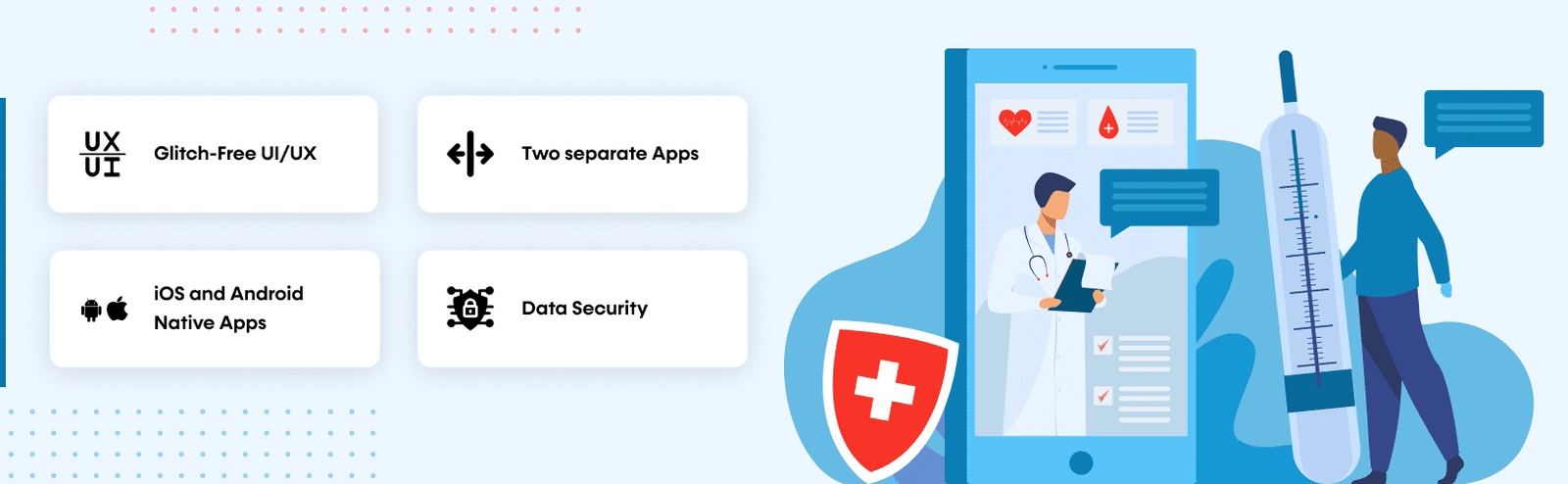
1. Glitch-free UI/UX: The healthcare industry has no room for error as it could prove even fatal. A telemedicine app has to remain glitch-free and very user-friendly. The patient and the doctor must be able to navigate the app with the least difficulty.

2. Two separate apps: A telemedicine app has two significant users – the doctors and the patients. Both users have different apps. These call for two separate fronts that are integrated seamlessly.

3. iOS and Android Native Apps: Telemedicine apps must be designed to be compatible with iOS and Android OSes. This requires a larger development team.

4. Data Security: The data shared via a telemedicine app is sensitive and confidential. It requires high-level security from being leaked by hackers.

Take Advantage of High-Quality Telemedicine App Development

Creating a telemedicine app has its benefits and small challenges. But in the end, it benefits all. It creates a world of equal access and opportunity. If you are convinced that you need to create an impeccably designed telemedicine app, look no further than EMed HealthTech.

At EMed HealthTech, we deliver quality healthcare software services and solutions to all your needs, garnering the trust of the healthcare industry. Choose EMed HealthTech for your telemedicine app development services. Reach out to us today for a custom quote.


How To Build the Best App For Online Doctor Consultation

How to Build the Best Healthcare App for Online Doctor Consultation?

The healthcare sector has lately experienced rapid developments, thanks to the recent pandemic. With this boost, patients from all demographics have begun adopting digital technologies for personal healthcare. This evolution in the market has revealed the power of Telemedicine and online doctor consultation apps to the masses. After all, when apparel, groceries, and household items can be viewed or ordered online, why not healthcare services?

However, like most other rapidly growing digital industries, only the best would survive in healthcare as well. In this piece, we explain how you can get the best digital application for doctor appointment booking built for your healthcare business and solidify your space in the market!

Understanding the Need for Online Doctor Consultation App

Online consultations are not a recent phenomenon – businesses have been taking advantage of the internet for decades. However, healthcare was a sector that lagged behind. The average consumer is used to one-click services and doorstep delivery these days. 

While most, if not all healthcare businesses are online, the ones winning the game focus on the quality of user experience! Realizing that people value easy access to timely and high-quality consultations is the key to success in the digital healthcare space. 

Doctor Appointment Booking App For Patients 

The foremost feature that an online doctor consultation app/Telemedicine app requires is peer-to-peer video calling, regardless of the device. This is especially beneficial for the elderly and patients suffering from critical conditions. If the patient can set and engage in a video consultation with ease, there is nothing like it. 

With a smooth-flowing interface on a doctor consultation app, patients would not just be able to book an appointment, but also follow up and see their medicine orders on their smartphones, laptops, or tablets. 

Doctor App For Healthcare Professionals

Features like group calls, screen sharing, and real-time chat let doctors connect with each other for virtual discussions. Group calls are a great way to hold online meetings with stakeholders and peers. Text chats, on the other hand, let doctors talk to their patients one on one for better clarity on both sides. Secure lines of chat communication instill confidence in the patients’ minds and help doctors do their job better. 

An additional screen-sharing feature would help doctors connect with pharma representatives from their devices and see their offerings on new medications. 

Doctor App For Healthcare Companies

Besides the usual data-sharing routine, in-house applications can do a lot for your business. If you are a doctor, hospital, or pharmacy, doctor consultation app development can be a complete game-changer for your enterprise. Bespoke development would allow multiple features integrated into the app according to your preference. 

Share your files with the group or even third parties directly through the app – no need for other file-sharing applications. Say goodbye to the risk of data theft or unauthorized access! 


How Does the Telemedicine/Doctor Consultation App Work? 

Pandemic or not, digital healthcare is the need of the hour! Digital healthcare is beneficial to every healthcare user. As more and more people interact with this technology, they would no longer feel the need to go back to the traditional ways. With a heightened level of interaction between doctors, patients, and stakeholders, these applications are paving the way for exciting opportunities for growth in the sector. 

Friendly User-Interface

Patients can get in touch with their preferred doctors in no time – all they need is a device and the internet! The application can be designed for personalized updates, tracking, and record-keeping, helping patients achieve their healthcare goals with ease. 

Increased Awareness and Retention

Companies that deploy cutting-edge applications into their healthcare business are reporting improved brand awareness that goes a long way. Add to that great service, and you have a winning formula for the retention of existing customers. The internet-based calling feature eliminates the need for cellular calling or text messaging. Why would patients go anywhere else when they have everything they need in one familiar place?

Improved Revenue

Increase your revenue with the inherent qualities of time management in the doctor consultation app. The application fosters anytime, anywhere communication between doctors and patients, saving time for both parties. With in-built medicine order ordering options, patients can order their medication in no time. All this inevitably leads to more revenue streams and hence, improved numbers for your business

Building the Doctor Appointment Booking App/Telemedicine

Building the right doctor appointment booking app requires a holistic approach that covers the requirements of both patients and doctors. Professional healthcare application development utilizes a well-calculated and step-by-step development methodology that keeps your business needs in mind. With an experienced app development company, you get a world-class application within a short duration. 

Online Doctor Consultation

It all starts with a detailed consultation that brings you and the development team on the same page about your goals, budgets, and timelines. Based on these factors, standard app features can be built along with additionally requested ones. 

The Interface of the Doctor Consultation App

Programmers code and bridge multiple app features like VoIP calling, file-sharing, and progress tracking in a synchronous application that works without flaws. Rigorous testing for bugs and incompatible features ensures a smooth user experience. 

Compliance

Professional application development also takes care of legal compliances that protect patient data. Patients are more likely to install trustworthy software which is compliant with the required regulatory guidelines. 

EMed HealthTech is a renowned doctor appointment app development company that specializes in developing customized healthcare applications such as Telemedicine apps, and doctor apps,  for all devices. We are proud to have worked with all kinds of healthcare businesses, right from local pharmacies to some of the largest corporations in the healthcare sector. Click here to contact us and get started on your journey to online success!