Thumbnail Image

The Ultimate Guide to Telehealth App Development: How to Build a Telemedicine Application

The world of healthcare delivery is changing with the digital transformation. With the information age, where convenience and availability are paramount, the way people receive healthcare is evolving. Among the most dramatic changes has been the rapid emergence of telemedicine and telehealth platforms. As the worldwide healthcare system adopts the concept of remote care, the need for developing telemedicine apps is at its peak.

Suppose you are a healthcare provider, entrepreneur, or clinic owner who is planning to digitise your services. In that case, this guide provides a comprehensive blueprint on steps to build a telemedicine application successfully.

What is Telehealth and Telemedicine?

Understanding the core concepts is crucial before jumping into development.

Telehealth is a much wider term that includes all the remote healthcare providers, both clinical and non-clinical.

Unlike telemedicine, which is specifically for clinical services, like virtual dentist visits, remote diagnosis, and treatment planning through digital means.

Telemedicine application development & telehealth app development play a significant role here, as both heavily depend on mobile and web platforms to bridge the gap between patients and providers in real-time.

Why Build a Telemedicine Application?

Telehealth popularity is not a fad, it is a permanent healthcare access solution. And this is why healthcare providers are looking into telemedicine app development:

1. Improved Access to Care

Telemedicine removes geographical limitations, enabling patients in rural or underserved regions to connect with qualified healthcare providers. This is especially true in rural areas, in which speciality services may be limited.

2. Reduced Healthcare Costs

Telehealth can help reduce costs for providers and patients alike by minimising hospital visits and enabling preventive care. Facilities reduce infrastructure costs, and patients cut down on travel and waiting times.

3. Enhanced Patient Engagement

A doctor app or patient app ensures a participatory, personalised and consistent healthcare ecosystem. Notifications, follow-up scheduling, and educational material improve the overall patient experience.

4. Convenience and Time-Saving

Booking online appointments, accessing medical records, and consulting specialists—all from the comfort of home—adds tremendous value, especially for elderly patients and people with mobility issues.

5. Scalability for Healthcare Providers

A digital platform enables hospitals, clinics, and independent practitioners to scale operations and reach more patients without increasing physical space or staff.

Key Features of a Telemedicine Application

When considering telehealth app development, the right features can make or break your platform. Here’s a breakdown:

For Patients:

  1. User Registration and Profiles
  2. Appointment Scheduling (with calendar sync and time zone detection)
  3. Video and Audio Consultation
  4. E-prescriptions and Online Payments
  5. Access to Medical History and Reports
  6. Push Notifications and Reminders
  7. Symptom Checkers or Chatbots for basic support

For Doctors:

  1. Doctor Dashboard with appointment and patient management
  2. Availability, scheduling, and calendar integration
  3. Access to EHR and Medical History
  4. Prescription Tools with Drug Database
  5. Secure Messaging with Patients
  6. Billing and Invoicing
  7. Integration with Lab and Pharmacy Services

For Admins:

  1. User Management Panel
  2. Analytics & Reports Dashboard
  3. Payment Gateway Integration
  4. Role-Based Access Control
  5. Data Security & HIPAA/GDPR Compliance Tools

The goal of any successful telemedicine application is to ensure a seamless experience for both patients and providers while complying with data privacy regulations.

Step-by-Step Process for Telemedicine App Development

Building a robust, scalable, and compliant app requires the right planning and execution. Let’s go through each step:

1. Market Research and Compliance Planning

Start by identifying your target audience—whether you’re serving general healthcare needs or a specific niche like dermatology or mental health.

Also, compliance is key. Your telemedicine app must adhere to:

  1. HIPAA (US)
  2. GDPR (EU)
  3. PIPEDA (Canada)
  4. ISO 27001 (International)

Incorporating legal compliance from the beginning saves time and protects user data.

2. Choose the Right Development Partner

Look for a trusted telemedicine application development & telehealth app development company like EMed HealthTech that offers domain expertise and a proven track record. A reliable partner will help you build a secure, scalable, and cost-effective app.

3. Define Your Tech Stack

Depending on the platform (iOS, Android, Web), your tech stack may include:

  1. Front-end: React Native, Flutter
  2. Back-end: Node.js, Python (Django/Flask)
  3. Database: MongoDB, PostgreSQL
  4. Cloud: AWS, Azure
  5. Video Conferencing APIs: Twilio, Agora, WebRTC

Choosing the right tech stack affects the app’s performance, scalability, and future updates.

4. UI/UX Design

The design should prioritise accessibility, speed, and ease of use. Ensure that both patients and doctors can navigate the platform intuitively. Use minimalistic design, clear typography, and logical flows.

5. Development and Integration

Now, it’s time to develop core modules including:

  1. User Authentication
  2. Calendar Scheduling
  3. Real-Time Video Consultation
  4. Messaging System
  5. EHR System Integration
  6. Payment Gateway Integration
  7. Push Notifications

This phase should also cover third-party API integration, such as pharmacy, lab services, and insurance.

6. Testing & QA

Rigorous testing ensures app reliability. Include:

  1. Unit Testing
  2. Load Testing
  3. Security Testing (Pen Testing, Encryption)
  4. Usability Testing
  5. Compatibility Testing across devices

Bug-free performance builds trust and long-term usage.

7. Deployment and Maintenance

Once the app is live on app stores and the web, ensure ongoing maintenance, security updates, and feature improvements. Monitor analytics to identify user behaviour and improve app flow over time.

Telemedicine App Monetisation Models

Here are some common ways to monetise your telehealth app:

1. Subscription Model

Patients or doctors pay a monthly/annual fee to access premium features.

2. Pay-per-Consultation

A commission is charged on every completed consultation or booking. This is ideal for clinics or hospitals offering freelance consultations.

3. Freemium Model

Basic access is free, but users pay for advanced features or services such as health records storage or advanced analytics.

4. Third-Party Partnerships

Earn from pharmacy tie-ins, lab integrations, or advertising partnerships with health-related services or diagnostics.

Challenges in Telemedicine App Development

Even the best ideas come with challenges. Here are some to watch out for:

1. Data Privacy and Compliance

Healthcare apps handle sensitive patient data. Security and encryption are non-negotiable. Ensure proper authentication, audit logs, and end-to-end encryption.

2. Real-Time Video Quality

Ensure the video consultation is stable and clear, especially in low-bandwidth regions. Adaptive streaming and latency management are critical.

3. User Onboarding and Training

Many patients and doctors may be unfamiliar with digital platforms. Provide video tutorials, tooltips, and in-app guidance.

4. Integration with Existing Hospital Systems

Ensure the app integrates seamlessly with your existing hospital app, EHR system, or legacy infrastructure.

5. Scalability and Performance

Your app should be able to handle spikes in usage without compromising speed. Load balancing and scalable infrastructure are essential.

Future Trends in Telehealth and Telemedicine App Development

Telemedicine is evolving rapidly. Keep an eye on these trends:

1. AI-Powered Diagnostics and Chatbots

Use AI to assist doctors with diagnostics, based on symptoms and history. AI chatbots can help with triage and general inquiries.

2. Wearable Integration and Iot Devices

Apps are now syncing with wearables for real-time patient monitoring, helping with chronic disease management.

3. Voice Assistant Integration

Virtual assistants like Alexa and Google Assistant are helping with appointment scheduling and medication reminders.

4. Blockchain for Health Records

Blockchain ensures secure and tamper-proof medical records, especially important for multi-clinic or multinational networks.

5. Remote Patient Monitoring (RPM)

As telemedicine matures, RPM tools integrated within apps will offer real-time insights into patient vitals and conditions.

Why Choose EMed HealthTech for Telemedicine App Development?

EMed HealthTech is a leading name in telehealth app development, known for delivering secure, customizable, and scalable healthcare technology solutions.

With over a decade of industry experience, EMed HealthTech has helped clinics, hospitals, and startups bring their digital healthcare ideas to life. From building intuitive doctor apps to advanced telemedicine applications, we offer full-cycle development and support.

We also offer white-label solutions, helping you launch faster with reduced time-to-market.

Conclusion

The digital healthcare revolution is here, and now is the perfect time to act. A well-designed telehealth app can redefine patient care, improve operational efficiency, and create new revenue opportunities for your clinic or hospital.

With growing patient expectations and industry competition, it’s essential to choose the right telemedicine application development & telehealth app development strategy and partner.

Ready to Build Your Telemedicine Application?

Partner with EMed HealthTech, the trusted name in telemedicine and telehealth app development. From ideation to deployment, we provide end-to-end solutions tailored to your healthcare business needs.

Contact us today to get started on your journey to smarter, digital healthcare delivery.

What Customers Like — and Dislike — About Online Pharmacies

What Customers Like — and Dislike — About Online Pharmacies?

As more and more people use online pharmacies, medical treatment and the way people find medication have undergone a huge sea change. With convenience becoming the pillar of modern living, ePharmacy services and online pharmacy application development are gaining ground at a gallop. However, just like any other digital service, trusts and disadvantages hold sway over customer experience and satisfaction.

In this blog, we go through what customers find praiseworthy about online pharmacy platforms and the worries that remain. Whether you’re a healthcare entrepreneur, tech innovator, or familiar old pharmacist shifting into the digital age, grasping customer sentiment is crucial for a successful experience when using an online pharmacy application development.

What Customers Like About Online Pharmacies?

  • Unmatched Convenience

Online pharmacies can obtain drugs at the push of a button. No longer do you have to stand in long queues or fight your way through traffic to the physical pharmacy. Customers can simply log onto an online pharmacy app, upload their prescription, and then wait for their medicine to be delivered right to their front door–sometimes even on the same day. For patients who have chronic diseases and need regular medication, this makes a big difference. Elderly users and carers also benefit greatly from this.

  • 24/7 Accessibility

Unlike conventional pharmacies, ePharmacy platforms never close. This is especially good for people with tight schedules or mobility problems, for anyone living far from healthcare facilities. Being able to place orders at midnight or on a festival gives peace of mind to users who need immediate support on non–life–threatening but urgent health questions.

  • Discreet Purchases

Online pharmacies offer a level of privacy that physical stores don’t always afford. When they buy medicine for potentially embarrassing problems such as mental health or sexual health, or chronic conditions which compromise their dignity, many customers enjoy using the more discreet online pharmacy. Plus, with a security pharmacy app, you have greater peace of mind in transactions; and you won’t have to see your GP about contraception or the condition of your bowels.

  • Detailed Product Information

The majority of online pharmacy platforms have comprehensive product descriptions such as dosage, usage instructions, side effects, and reviews. With this information, consumers can make decisions based on the facts, a great boon to all those who are managing multiple medicines. Patients can also compare generic alternatives, check for drug interactions with other drugs, and have access to educational materials that are not available from their local pharmacist.

  • Price Comparison & Discounts

One huge advantage for customers of ePharmacy platforms is that they can compare different brands and products. Many online pharmacies also provide unique offers, coupons, and subscription reductions — this function is rare in traditional brick-and-mortar stores. Some pharmacy apps even have a loyalty program or cash back incentives that boost customer retention and satisfaction.

  • Automated Refills & Reminders

A smart online pharmacy app will include features like refill reminders, medication planning, and automatic reordering. Such functionality can help users to keep a consistent routine with their medication, which is particularly beneficial for chronic conditions. When supplements are issued on time and there’s an auto-refill option, the odds of missing doses are greatly reduced. All of this ultimately augments patient response rates and quality of life.

  • Better Access to Specialised Products

Not all medications are available in local pharmacies, particularly those made by lesser-known brands or niche products. Therefore, consumers frequently turn to larger-scale ePharmacy platforms to find the products they need. This may include specialised drugs, nutritional supplements, or wellness items that are not available on-site at home. Through this expanded selection range for both prescription drugs and supplements, patients are ensured that they will receive the right treatment without any compromises whatsoever. This is why online pharmacy application development is blooming in this digital age.

  • Streamlined Customer Support

The development of modern pharmacy apps features integrated chatbots and customer service systems that allow users to get advice from pharmacists or healthcare professionals within the app itself. This direct line of communication enhances customer trust and experience. In-app support, FAQS, and 24/7 help—all serve to answer customer questions quickly and well, and wind up meaning callbacks with an increased sense of satisfaction.

What Customers Dislike About Online Pharmacies?

  • Delayed Deliveries

One of the greatest pains of all for users is late or missed deliveries. Although most on-line pharmacy apps aim to ship quickly, logistical problems can screw things up–especially when the medicine comes weird. Any delay in supplying essential medication ends up turning into a game of cat and mouse. When patients miss doses, their health gets worse, and trust in the platform evaporates like moisture under a sunbeam, which can be mitigated with online pharmacy application development.

  • Concerns About Authenticity

This has meant some apprehension for users in buying online pharmaceuticals. People expect a particular guarantee that the medicines they get are not fakes, have been kept well, and are approved by the appropriate health authorities. The only way to gain users is through building trust in verified suppliers, certification operations, and a clear set of quality control standards. Efforts here are essential in landing users in the first place and keeping them.

  • Complicated Interfaces

Some pharmacy applications are too complex–this is bad UI/UX design that makes it hard for older users or those without much experience in tech to even negotiate the buying process. A cluttered interface or lack of logical navigation may result in frustration and uncompleted purchases. Users expect fully integrated registration, simple prescription uploads, and a pleasant, easy shopping experience.

  • Lack of Immediate Consultation

Although online platforms are improving their ability to recommend doctors’ apps, the immediacy of advice in person from a pharmacist is beyond them. For matters of urgent concern or complex prescriptions, users might want to talk face-to-face–this is a major deterrent to new arrivals who need expert guidance on understanding drug interactions or side effects.

  • Limited Payment Options

Different online drugstores don’t support all payment methods. The lack of options such as UPI, digital wallets, and COD (cash on delivery) may make it hard for some groups of customers to buy medicines through their system. Thus, if a pharmacy app is to maximise reach and user convenience, it should offer multiple payment gateways with seamless checkout functions.

  • Data Privacy Concerns

With the introduction and use of mobile devices that store an individual’s health records, customers are naturally concerned about what methods apps use to protect this information from theft or snooping. After all, nobody wants to risk sensitive medical information being leaked onto the internet-especially when you’re managing chronic disease daily!

  • Inadequate Customer Support

Sometimes customers may feel overlooked when there is no real-time customer support or the team does not reply quickly. Especially for orders that have gone wrong or which need to be corrected urgently. If a reliable service is available to help keep these things under control, they are essential, and an app should allow for wrong medications, refund requests, or prescription checks.

  • Prescription Upload Hassles

Though most platforms make it easy to upload prescriptions, sometimes these systems are erratic or require manual approval. This causes a delay that customers can not tolerate. A seamless system for managing prescriptions is critical to a smooth ordering process, particularly for your elderly or chronically ill users.

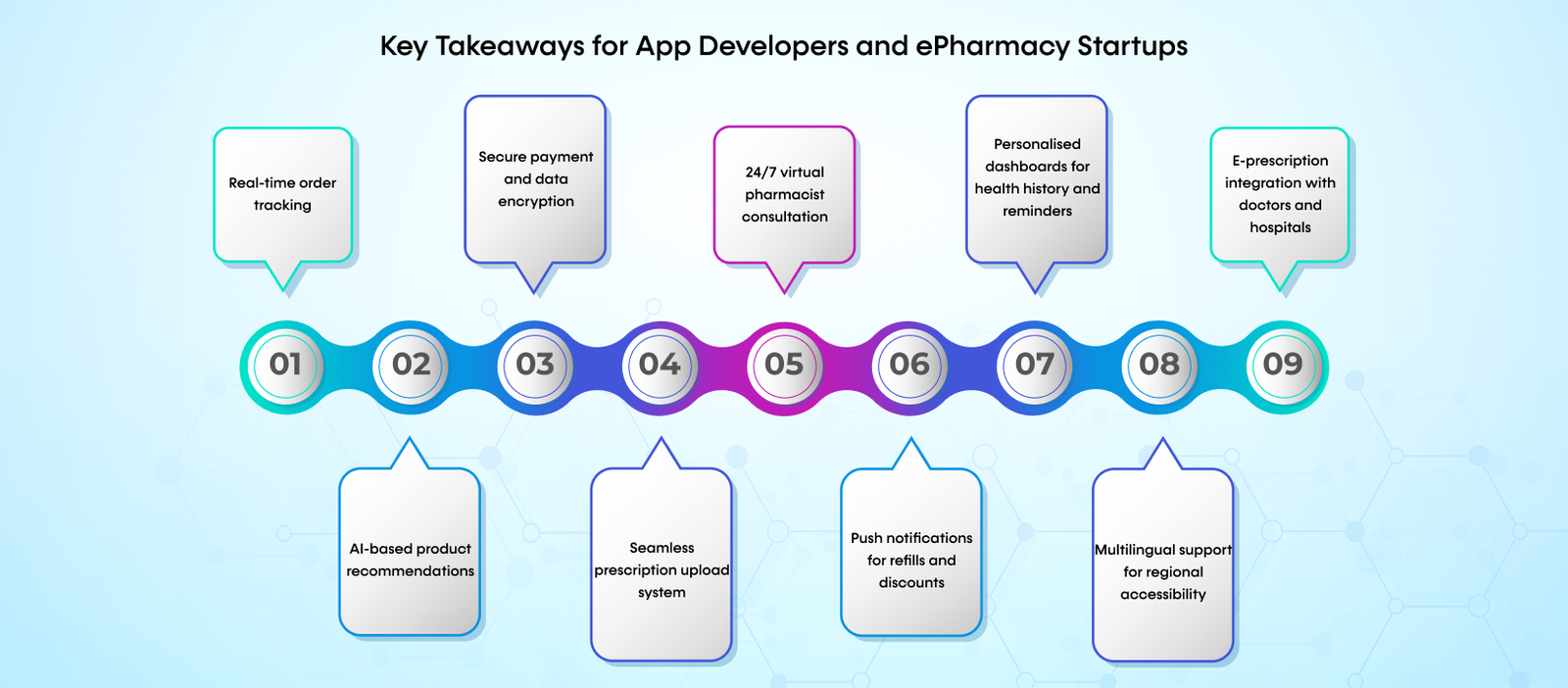
Key Takeaways for App Developers and ePharmacy Startups

Also, these professional conclusions can greatly inform the businesses that are currently developing online pharmacy apps. What can and can not work is to help the research process of features, design of interfaces, and backend procedures. Below are several functions that a customer-centric pharmacy app must provide:

  • Real-time order tracking
  • AI-based product recommendations
  • Secure payment and data encryption
  • Seamless prescription upload system
  • 24/7 virtual pharmacist consultation
  • Push notifications for refills and discounts
  • Personalised dashboards for health history and reminders
  • Multilingual support for regional accessibility
  • E-prescription integration with doctors and hospitals

A successful strategy for building pharmacy applications must combine technical excellence with empathy for the user. This means predicting your customers’ pain points while always giving them a consistently attractive, engaging, and safe user experience. The app’s ongoing status depends on this, as does any hope of success.

The Future of Online Pharmacies

With the development of the internet and integration of telemedicine platforms, the future of ePharmacy platforms is bright. Thanks to technologies like AI, blockchain, and machine learning, pharmacy app development will grow even more personal, secure and efficient soon. Features such as medicine image recognition, smart health monitoring and personalised notifications will mean better interface design for software.

Trust and compliance will be the key issues in attracting and holding customers, as ePharmacy platforms come under more stringent scrutiny by governments. Learning to keep tapped into these trends will give developers an edge in the increasingly competitive market. International projects in app development should pay particular attention to HIPAA, GDPR, and the regulations of local health authorities anywhere they operate.

Moreover, the integration of ePharmacies with broader health tech ecosystems — such as diagnostic labs, teleconsultation platforms, and insurance providers — is set to redefine digital healthcare delivery.

Conclusion

Customers are taken with the convenience and accessibility of online pharmacies, but in the end, what they depend on for satisfaction is app performance that is always available, safe, and reliable, and an online pharmacy service they can trust. Get started, bring in high-quality, user-focused applications to market today, and thrive in this evolving era.

To truly make a mark, it’s important to choose a tech partner with proven experience in building healthcare-specific platforms that are scalable, user-centric, and compliant.

Build Your Online Pharmacy With EMed HealthTech

Aimed at pharmaceutical distributors or suppliers, EMed excels in crafting online pharmacy app development to create an enterprise plan and business growth goals to set around it. Whether it is an intuitive UI/UX design or a HIPAA-compliant back-end system, we enable you to churn out safe, scalable, and full-featured pharmacy software that your end-users will love.

Let’s revolutionise healthcare together with online pharmacy application development! Why not contact EMed today and get a head start?

Telemedicine Apps Connecting Patients and Doctors Anytime Anywhere

Telemedicine Apps: Connecting Patients and Doctors Anytime, Anywhere

The delivery of healthcare services has changed as a result of the quick development of digital health technology. Its growth has revolutionized patient care by creating a bridge between healthcare providers and patients, and it has enabled the delivery of consultation, diagnosis, and treatment without being physically present. Telemedicine technology has made accessing medical services more convenient and time-efficient than ever.

In this article we cover how these telemedicine apps are transforming the healthcare domain, what are the benefits of using the telemedicine app and the key elements of telemedicine software solutions that help bridge access to healthcare.

Discovering the Telemedicine App!

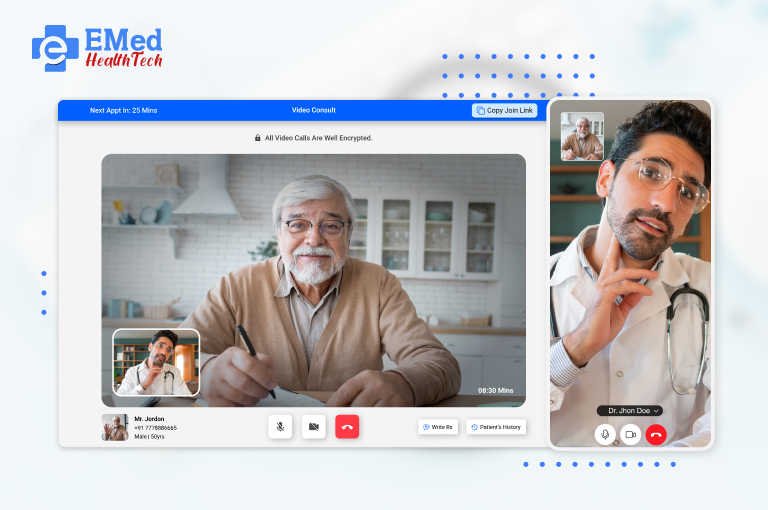
A telemedicine app is a website or mobile application that enables a virtual consultation with a doctor. These apps enable patients to reach out to healthcare professionals instantly via video calls/chats/voice calls and receive medical advice without the need for a visit to a clinic/hospital. From EHR to appointment bookings and e-prescriptions, these platforms have been created to make healthcare services accessible and efficient.

Telemedicine App Development in Modern Healthcare

Telehealth apps go in line with these concerns, helping make healthcare services more patient-centric. Healthcare services have a remarkable expansion due to the rise in chronic diseases, increasing patient footfall, and the sustainability of remote care solutions, thus telemedicine software solutions come as a hero to enhance healthcare accessibility and efficiency.

Here are a few things telemedicine development changes in healthcare:

  • Improved Accessibility: Telemedicine helps patients living in remote areas to get medical services without travelling.
  • Savings on Time and Cost: The reduction in physical visits also facilitates savings in the time taken and the medical expenses.
  • Reduced Burden on Hospitals: Virtual consultations help hospitals manage the flow of patients.
  • Improved Management of Chronic Disease: The telemedicine segments will allow for better patient management.
  • Improved Patient Engagement: Patients can consult doctors during the day or night, improving their well-being.

Important Features Of A Telemedicine App

Essential elements that expedite virtual healthcare services are necessary for a telemedicine app to be successful. Among the essential characteristics are:

  • User-Friendly Interface

A telemedicine platform can work only when it has a defined user experience in both patients’ and doctors’ wings. Easy access is important to make sure frictionless interaction is happening.

  • Having Consultations Via Video & Audio Securely

High-quality video and audio calls are paramount for successful remote consultations. They comply with HIPAA and employ encrypted channels to safeguard patient data.

  • Appointment Scheduling And Management

Make it easy for patients to book, reschedule or cancel appointments. Automation of notifications and reminders generates a record that helps to reduce missed consultations.

  • Integrations With An Electronic Health Record (EHR)

A telemedicine app needs to integrate with EHR systems so that it has access to the medical history, prescriptions, and lab reports of the patients.

  • Online Pharmacies and E-Prescription

Doctors can generate electronic prescriptions, and patients can order medicines through an inbuilt pharmacy service in the app.

  • AI-Powered Chatbots for Initial Screening

Comment: Pre-diagnosis: AI-powered chatbots help in collecting patient symptoms pre-diagnostic and guide towards the desired specialist.

  • Multi-Device Compatibility

This means it should also have cross-device accessibility with smartphones, tablets, and desktops.

  • Secure Payment Gateway

Payment Method: To ensure secure transactions, it must offer support to various payment gateways for consultation and health care services.

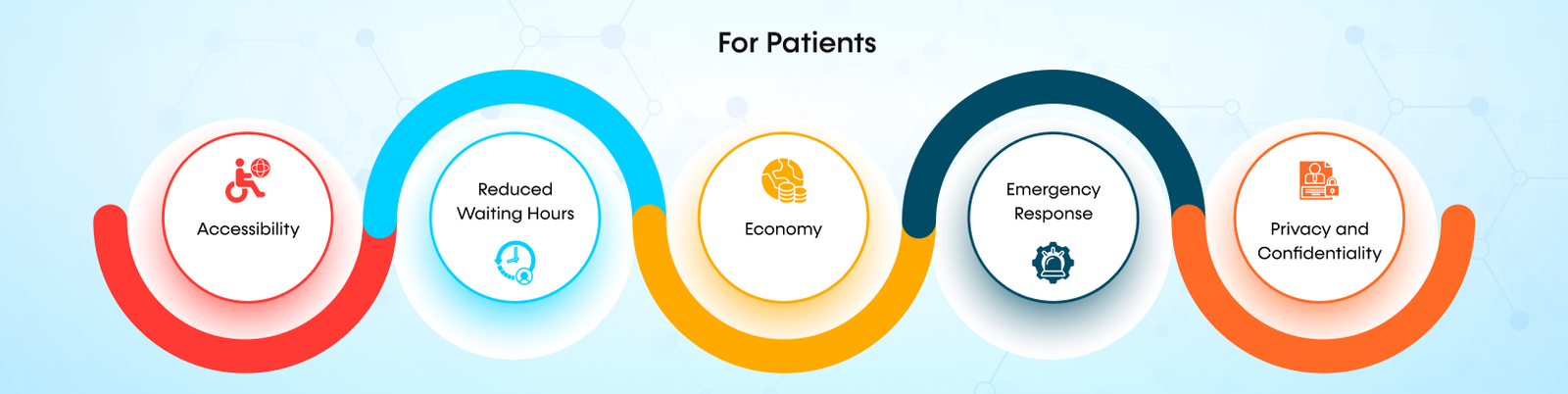
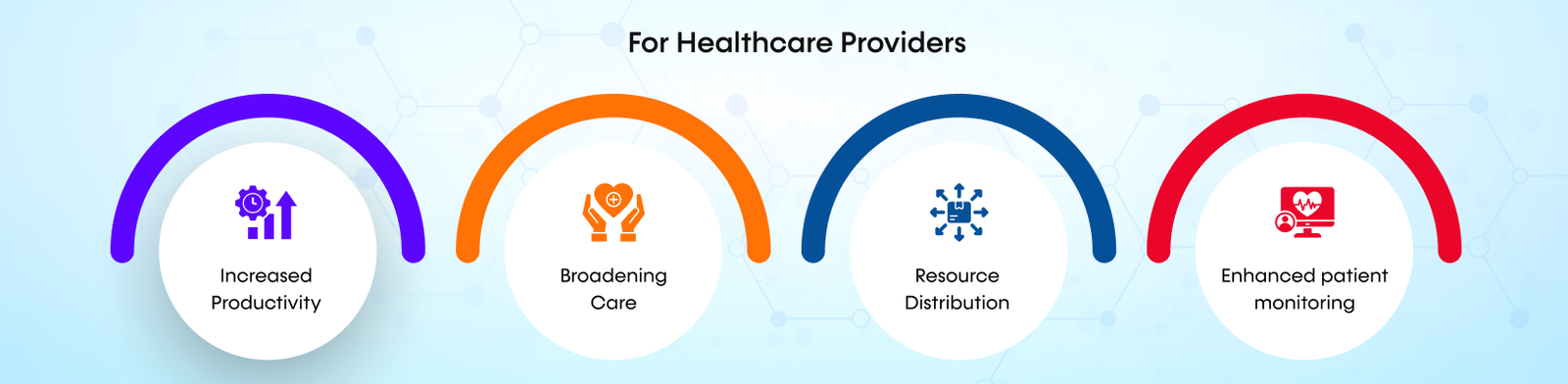
Benefits of Telemedicine Software Solutions for Patients and Health Care Providers

  • Accessibility: Redeem healthcare services at any time and place
  • Reduced Waiting Hours: No long queues in clinics and hospitals
  • Economy: Save on travel expenses and consultation fees.
  • Emergency Response: Get help right where you are in the event of an emergency.
  • Privacy and Confidentiality: Enabling patients’ data protection via secured platforms.

  • Increased Productivity: Consult more patients through teleconsultations.
  • Broadening Care: Provide service to rural or under-served populations.
  • Resource Distribution: Make the task of getting to health facilities easier.
  • Enhanced patient monitoring: Manage chronic diseases & Follow-ups on time by practising telemedicine

The digital world of healthcare is combining emerging technologies with AI, IoT, and Blockchain through telemedicine software solutions. These solutions enable:

  • Health AI: Algorithms driven by machine learning help doctors diagnose diseases with greater accuracy.
  • RPM: RPM is Remote Patient Monitoring, and it uses real-time health data obtained from the patient through devices with wearables, thus allowing remote monitoring.
  • Cryptography To Secure Medical Data: Urges an enhanced secure communication system to ensure the protection of patient data and also check deceptive activity.
  • Cloud-based Telemedicine Platforms: Provide scalable and cost-efficient healthcare solutions.

Despite having these essential benefits, telemedicine apps come with a few challenges that need to be used proficiently:

  • Regulatory Compliance: The apps must adhere to data privacy regulations such as HIPAA and GDPR.
  • Data Security Challenges: Strong encryption and cybersecurity protocols are essential to protect data from hacks and security breaches.
  • Limited Digital Literacy: Patients, especially the older ones, may not be charted for telemedicine platforms.
  • Issues With Internet Connectivity: The Pitfall Of Virtual Consultation

Conclusion

Telemedicine apps – the how of modern healthcare in which treatment is within reach, no travelling to your physician anymore. Apart from this, the future of digital healthcare is going to be even more innovative and accessible with the introduction of telemedicine software solutions.

However, wish to create a telemedicine app with all the features? About Emed HealthTech: Have you ever thought you could use a mobile application to track health concerns and detect health issues in your patients? Contact us today to establish that stable and secure telemedicine solution just for you!

How to Select the Best Telemedicine Platform for Your Practice

How to Select the Best Telemedicine Platform for Your Practice?

Telemedicine has revolutionized healthcare by making remote meetings more open and productive. As more healthcare providers embrace virtual care, choosing a telemedicine platform becomes basic to guarantee consistent communication, administrative compliance, and improved patient experience.

Selecting telemedicine software isn’t just about video consultations—it’s almost integration, security, convenience, and adaptability. With different platforms accessible, finding the best telehealth solution requires a cautious assessment of key variables.

Key Considerations When Choosing a Telemedicine Platform

1. Compliance and Security
Patient confidentiality is a topmost priority. The stage you select must comply with industry controls to defend delicate information. Explore for:

  • HIPAA Compliance (for U.S. practices) or GDPR Compliance (for European suppliers)
  • End-to-end encryption for video discussions and quiet records
  • Multi-factor authentication (MFA) for secure logins
  • Regular Program Updates to anticipate cybersecurity dangers

2. User Experience and Accessibility

It is essential to create a telemedicine platform that is user-friendly for doctors as well as for patients. The following are a few points to look for when choosing a telemedicine platform:

  • Intuitive interface with easy navigation
  • Compatibility with mobile, tablet, and desktop devices
  • Quick onboarding and minimal learning curve
  • Seamless appointment scheduling and patient check-ins

3. Integration with Existing Systems

Your telemedicine software should integrate seamlessly with:

  • Electronic Health Records (EHR) helps access the medical history of the patient
  • Practice Management Systems (PMS) streamline workflows
  • Billing and Payment Gateways for insurance claims and patient transactions

A well-integrated platform reduces administrative burdens and improves efficiency.

Essential Features of the Best Telehealth Solutions

Not all the best telemedicine solutions offer the same capabilities. The best platforms provide:

  • HD Video & Audio Quality – Ensures smooth and professional virtual consultations
  • Screen Sharing & File Uploads – Facilitates better diagnosis with medical images and documents
  • Automated Scheduling & Reminders – Reduces no-shows with SMS and email notifications
  • Multi-User Support – Enables group consultations and specialist collaborations
  • Customizable Features – Tailored templates and functionalities for different specialities

A platform with these highlights upgrades patient engagement, streamlines operations, and progresses healthcare results.

Evaluating the Right Fit for Your Practice

Distinctive healthcare providers have interesting needs, and choosing a telemedicine platform ought to be based on practice estimates and specialization.

Small vs. Large Practices

  • Small clinics: Need affordable, easy-to-use platforms with basic functionalities. 
  • Larger healthcare organizations: Require multi-provider support, scalability, and full EHR integration.

Specialty-Specific Requirements

  • Mental Health Providers: Require secure messaging, therapy note-taking, and video session recording.
  • Dermatologists: Need high-resolution image uploads for remote diagnosis.
  • Primary Care Physicians: Benefit from lab integration for sharing test results digitally.

Scalability for Future Growth

When choosing a telemedicine platform, one should support the practice’s future expansion by:

  • Accommodating growing patient volumes
  • Enabling multiple healthcare providers to join the platform
  • Offering customizable workflows as your practice evolves

Cost Considerations: Finding the Right Balance

Investing in telemedicine software involves different pricing models. Consider:

  • Subscription-Based Pricing: Monthly or yearly plans covering various features
  • Pay-Per-Use Model: Costs depend on the number of consultations conducted
  • Hidden Fees: Be careful for additional charges related to information storage, integrative, or client support

While upfront costs could appear tall, the long-term benefits exceed the investment—higher income, improved patient retention, and operational productivity.

Customer Support and Training

Adopting a telemedicine platform requires proper training and ongoing technical support. Before finalizing your choice, ensure the provider offers:

  • 24/7 Customer Support for quick resolution of technical issues
  • Training Sessions for healthcare staff and onboarding assistance for patients
  • Troubleshooting Guides & Help Centers for self-service support

A responsive support team ensures smooth operations and minimizes disruptions to patient care.

Conclusion: Making an Informed Choice

Choosing the right telemedicine platform is vital for progressing patient encounters, streamlining workflows, and keeping up administrative compliance. By assessing compliance, integration, security, client involvement, and cost, healthcare providers can discover the best telehealth solution for their practices.

Why Choose EMed HealthTech?

For a secure, versatile, and feature-rich telemedicine solution, EMed HealthTech gives cutting-edge innovation outlined for cutting-edge healthcare experts. With consistent EHR integration, vigorous security, and user-friendly interfacing, EMed HealthTech helps practices convey predominant virtual care with confidence.

Contact EMed HealthTech today and take your telemedicine services to the next level!

Thumbnail Image

How Telemedicine Platforms Are Revolutionizing Chronic Disease Management

Millions of people around the world are affected by chronic infections including diabetes, high blood pressure, and heart disease. Continuous monitoring, practical treatment intercession, and way-of-life changes are vital for overseeing these illnesses. Conventional healthcare systems often struggle to supply persistent care due to components like geological obstructions, time imperatives, and high costs. Usually where telemedicine platforms are demonstrated to be game-changers. Telemedicine platforms not only empower remote patient monitoring but also facilitate virtual consultations while enabling real-time communication between patients and healthcare providers. By leveraging digital health technologies, telemedicine is changing how incessant illnesses are overseen, eventually driving to way better patient results.

Understanding Telemedicine Platforms in Chronic Disease Management

What Is Telemedicine?

Telemedicine refers to any advanced communication innovation that is utilized or implemented to provide restorative healthcare and consultation remotely. Moreover, it incorporates video interviews, remote monitoring of vital signs, digital medicines, and virtual follow-ups.

With advancements in technology, telehealth platforms have evolved to offer comprehensive solutions for chronic disease management. As a result, artificial intelligence (AI) is now enhancing diagnostics, while the integration of electronic health records (EHR) ensures seamless data access. Additionally, the adoption of wearable health gadgets further improves patient monitoring. Ultimately, telemedicine platforms bring these innovations together to deliver an excellent patient experience.

Key Benefits of Telemedicine Platforms for Chronic Disease Management

telemedicine platform

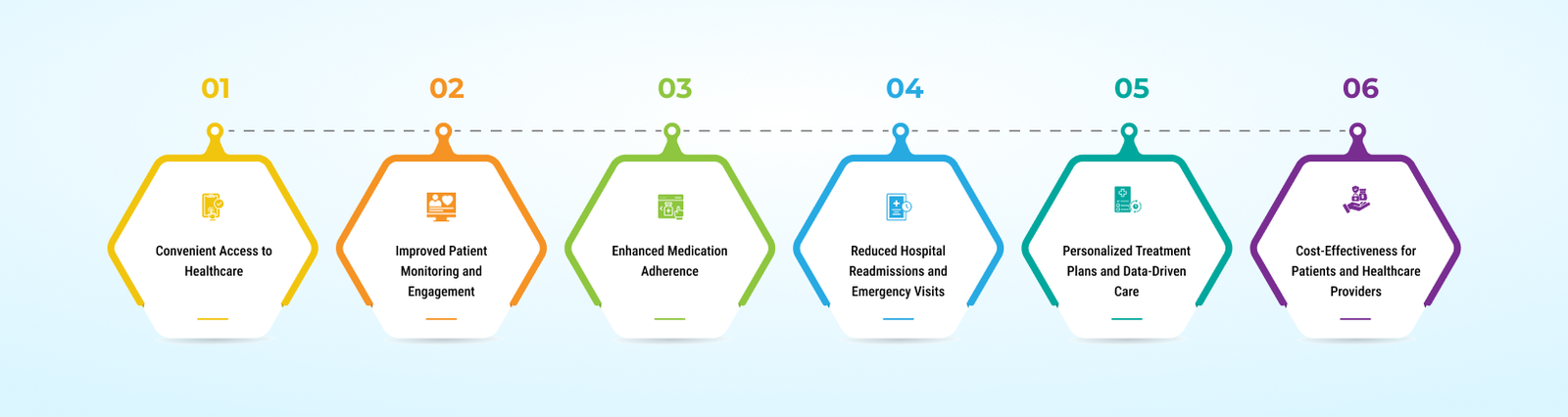
1. Convenient Access to Healthcare: One of the biggest advantages of a telemed platform is its ability to provide accessible healthcare from the comfort of a patient’s home. As a result, patients with mobility issues or those living in remote areas no longer need to travel long distances for scheduled check-ups. As a result, virtual consultations ensure timely intervention and, consequently, reduce the risk of disease complications.

2. Improved Patient Monitoring and Engagement: Remote patient monitoring (RPM) has revolutionized chronic infection care. Platforms for telemedicine permit healthcare suppliers to track real-time persistent information, such as blood sugar levels, blood weight, and oxygen immersion. This ceaseless observation helps doctors distinguish early warning signs and make data-driven treatment choices.

3. Enhanced Medication Adherence: When it comes to chronic disease patients, one of the most common issues is non-adherence to prescribed medications. Telemedicine platforms address this problem through:

      •   Automated medication reminders

      •   Virtual pharmacist consultations

      •   E-prescriptions with home delivery options

These features ensure that patients follow their treatment regimens effectively, leading to better disease control.

4. Reduced Hospital Readmissions and Emergency Visits: Frequent hospital visits are not only exorbitant but also upsetting for chronic illness patients. However, with telemedicine, standard follow-ups and early detection of complications help prevent unnecessary hospitalizations. As a result, patients receive convenient advice and treatment adjustments, ultimately reducing their reliance on emergency care.

5. Personalized Treatment Plans and Data-Driven Care: Each chronic disease patient has special healthcare needs. As a result, telemed platforms use AI-driven analytics to customize treatment plans based on patient history, side effects, and lifestyle variables. Consequently, this personalized approach enhances treatment effectiveness and ultimately promotes long-term health improvements.

6. Cost-Effectiveness for Patients and Healthcare Providers: Telemedicine essentially decreases healthcare costs by eliminating travel costs, decreasing clinic admissions, and optimizing therapeutic assets. Healthcare suppliers can oversee a bigger number of patients effectively, improving overall service delivery.

How Telemedicine Platforms Support Different Chronic Conditions

telemedicine platform

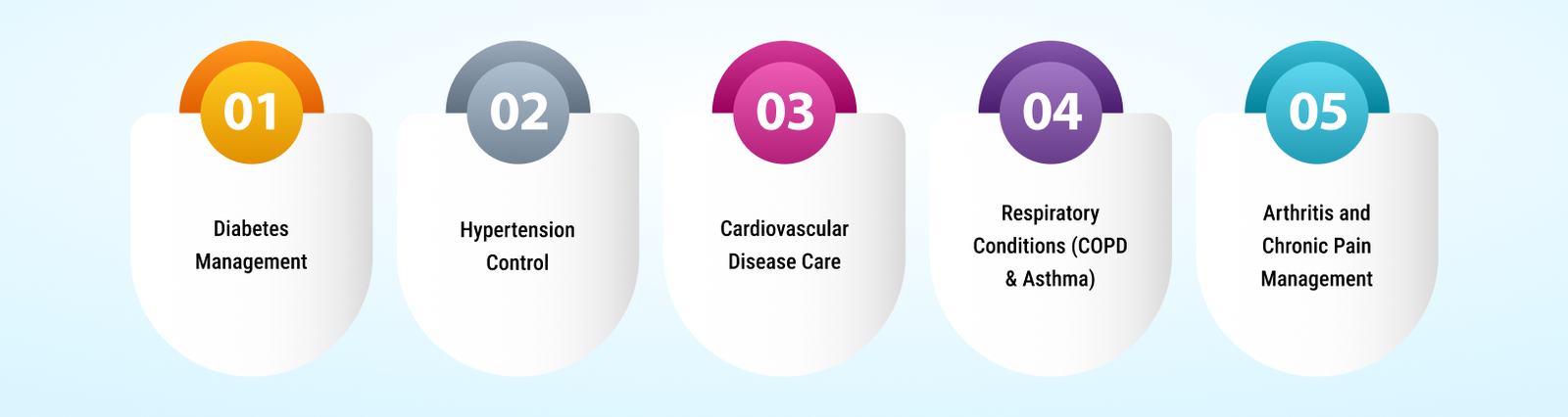
1. Diabetes Management

      •   Remote blood sugar monitoring

      •   Diet and lifestyle counselling via teleconsultations

      •   Insulin dosage adjustments based on real-time data

2. Hypertension Control

      •   Digital blood pressure monitoring

      •   Medication tracking and adherence reminders

      •   Virtual check-ins with cardiologists

3. Cardiovascular Disease Care

      •   ECG monitoring through wearable devices

      •   AI-powered risk assessment tools

      •   Remote rehabilitation programs

4. Respiratory Conditions (COPD & Asthma)

      •   Pulse oximeter integration with telehealth apps

      •   Virtual breathing exercises and therapy sessions

      •   AI-powered alerts for early symptom detection

5. Arthritis and Chronic Pain Management

      •   Virtual physiotherapy sessions

      •   Digital pain tracking and treatment adjustments

      •   AI-driven recommendations for pain relief strategies

Choosing the Right Telemed Platform for Chronic Care

telemedicine platform

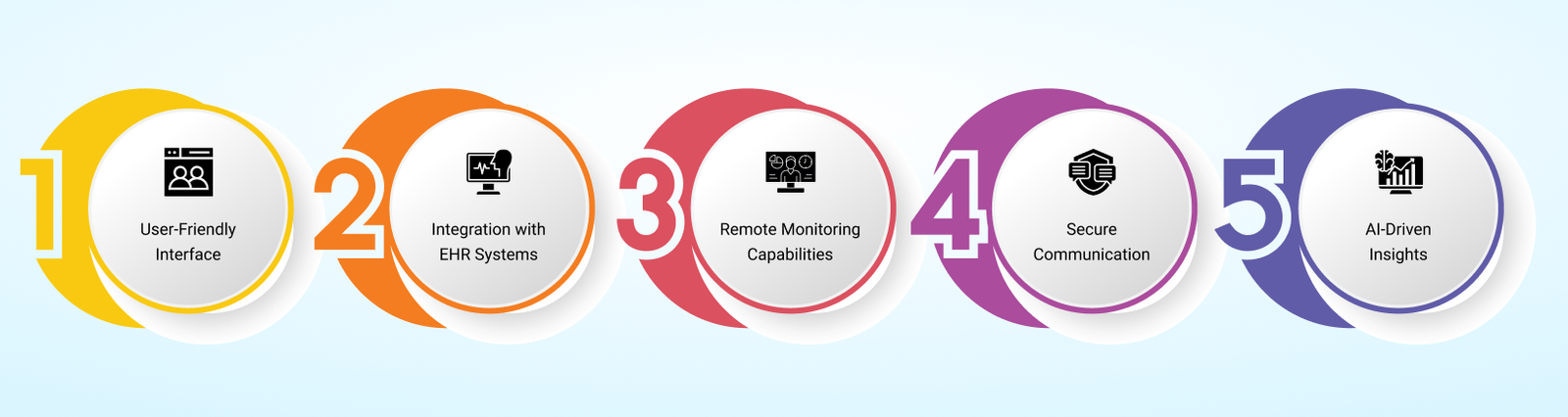
When selecting platforms for telemedicine, healthcare providers should consider the following features:

      •   User-Friendly Interface – Easy access for both patients and doctors

      •   Integration with EHR Systems – Seamless data sharing

      •   Remote Monitoring Capabilities – Support for wearable health devices

      •   Secure Communication – HIPAA-compliant video calls and messaging

      •   AI-Driven Insights – Personalized treatment recommendations

Future of Telehealth in Chronic Disease Management

The future of chronic disease management lies in AI-driven telemedicine solutions. Emerging trends include:

      •   AI-powered predictive analytics for early disease detection

      •   5G-enabled real-time remote monitoring for enhanced connectivity

      •   Blockchain technology for secure patient data management

As innovation continues to advance, platforms for telehealth will become indeed more viable in conveying proactive, patient-centric care. 

Conclusion

Telemedicine is transforming chronic disease management by making healthcare more accessible, efficient, and cost-effective. As a result, telemedicine platforms enable patients to receive timely medical attention, benefit from enhanced monitoring, and follow personalized treatment plans. Consequently, these improvements lead to better health outcomes.

If you are a healthcare provider looking for a reliable platform for telemedicine, then EMed HealthTech is the perfect choice. Not only do we offer cutting-edge telehealth solutions, but we also tailor them specifically for chronic disease care. Therefore, contact us today to explore our advanced telemedicine platforms and enhance patient care.

The Ultimate Guide to Developing a Medicine Delivery App for Modern Pharmacies

The Ultimate Guide to Developing a Medicine Delivery App for Modern Pharmacies

In today’s fast-paced advanced world, medicine delivery app development has revolutionized how customers get to healthcare arrangements. From killing long lines at drug stores to guaranteeing opportune conveyance of basic solutions, this innovation has cleared the way for comfort and unwavering quality within the healthcare industry. This extreme direct will walk you through the basics of making a vigorous and effective medicine delivery app tailored for advanced pharmacies.

What Is Medicine Delivery App Development?

Medicine delivery app development alludes to the method of planning and building an application that encourages the consistent requesting, preparing, and conveyance of medicines specifically to customers’ doorsteps. Such apps serve as a bridge between drug stores, healthcare suppliers, and patients, empowering quick access to fundamental healthcare items and administrations. With the rise in requests for online drug store apps, numerous businesses are presently contributing to this innovation to remain competitive and significant.

Why Are Medicine Delivery Apps Picking Up Popularity?

Medicine delivery apps are progressively prevalent due to their comfort, availability, and unwavering quality. Here are a few key reasons behind their victory:

medicine delivery app popularity
why medicine delivery apps picking up popularity

(A) Time-Saving:

Clients can arrange solutions from the consolation of their homes, dispensing with the ought to visit a physical drug store.

(B) Wide Accessibility:

Online pharmacy apps give get to to a broad run of drugs, counting those not accessible locally.

(C) Chronic Condition Support:

These apps offer highlights like medicine updates and medicine administration, making them priceless for patients with unremitting conditions.

(D) Technological Integration:

The joining of progressed highlights such as GPS tracking, chatbots, and AI suggestions guarantees a seamless client encounter.

Key Features of a Medicine Delivery App

To make an effective pharmacy app, certain highlights must be integrated to cater to the requirements of clients, pharmacies, and the delivery workforce. Let’s investigate these highlights:

medicine delivery app features
key features of a medicine delivery app
  • User-Friendly InterfaceAn instinctive plan guarantees clients can effectively explore the app, browse solutions, and total exchanges without any bother.
  • Medicine TransferPermitting clients to transfer doctor’s medicines ensures compliance with restorative controls and gives exact pharmaceuticals.
  • Real-Time FollowingThis includes permitting clients to track their orders and guaranteeing straightforwardness and timely conveyance.
  • Multiple Installment OptionsSecure and differing instalment doors such as credit/debit cards, e-wallets, and net banking enhance client comfort.
  • Updates and NoticesHighlights like medication reminders and order upgrades improve client engagement and adherence to medicines.
  • Integration with Healthcare SuppliersBy collaborating with nearby drug stores, hospitals, and clinics, apps can offer a broad extend of healthcare items and administrations. 

Steps to Create a Medicine Delivery App

Creating an online pharmacy app requires fastidious arranging and execution. Here’s a step-by-step direction:

medicine delivery app creation steps
steps to create a medicine delivery app

1. Investigate and Arranging

Understand your target group of onlookers, competitors, and showcase patterns. Characterize the goals of your app, such as moving forward availability for provincial regions or catering to patients with unremitting conditions.

2. Select the Correct Commerce Demonstrate

Choose between:

Standalone Pharmacy App:

Extend your offline pharmacy to a web stage.

Aggregator Demonstrate:

Act as a mediator between numerous pharmacies and clients.

3. Select the Innovation Stack

Select innovations that guarantee versatility, security, and execution. For illustration:

Frontend:

Respond Local, Shudder

Backend:

Node.js, Express.js

Database:

Firebase, MySQL

4. Plan the User Interface (UI)

Focus on making a natural and accessible UI with huge symbols, basic routes, and voice search capabilities for clients of all age bunches.

5. Coordinated Progressed Highlights

Include highlights like GPS following, AI chatbots, and personalized proposals to improve client involvement and engagement.

6. Test Completely

Conduct thorough testing under different conditions to guarantee the app performs well over diverse gadgets, working frameworks, and organised speeds.

7. Dispatch and Advertise the App

Convey the app on pertinent stages and leverage digital showcasing methodologies to advance it to your target gathering of people.

Benefits of Medicine Delivery App Development

Investing in medicine delivery app development services can yield critical benefits for both businesses and clients. Here are a few key focal points:

  • Comfort for Clients

Clients can effectively arrange medications without venturing out of their homes, making it especially useful for elderly people and those in inaccessible regions.

  • Expanded Income for Drug Stores

Drug stores can extend their reach and tap into a bigger client base by going online.

  • Progressed Pharmaceutical Adherence

Highlights like measurement updates and refill notices empower clients to stay to their endorsed pharmaceutical plans.

  • Real-Time Order Management:

 Businesses can efficiently monitor stock levels, prepare orders, and oversee coordination utilizing integrated frameworks.

  • Information Analytics and Experiences

Drug stores can use client information to get it buying designs, optimize stock, and offer personalized suggestions.

Challenges in Creating a Medicine Delivery App

Whereas the openings are colossal, there are certain challenges to address:

creating a medicine delivery app
challenges in creating a medicine delivery app

a. Regulatory Compliance

Guarantee the app complies with healthcare directions such as HIPAA (Health Insurance Portability and Accountability Act) and FDA rules.

b. Information Security

Secure touchy client data by executing progressed encryption and secure confirmation strategies. 

c. Logistics and Conveyance

Accomplice with dependable conveyance administrations to guarantee opportune and secure conveyance of medicines.

d. Market Competition

Stand out by advertising interesting highlights, competitive estimating, and predominant client benefit.

Choosing the Best Medicine Delivery App Development Companies

Joining forces with the best medicine delivery app development companies is pivotal for making a fruitful app. Seek for companies with:

  • Mastery in healthcare app development
  • Demonstrated track record of effective ventures
  • Comprehensive post-launch support 

Future Patterns in Medicine Delivery Apps

The online pharmacy app market is ceaselessly advancing, with rising patterns like:

  • AI and Machine Learning: Personalizing client encounters and optimizing stock.
  • IoT Integration: Following pharmaceutical adherence and well-being observation.
  • Telemedicine Services: Advertising virtual meetings with healthcare suppliers. 

Conclusion

Medicine delivery app development is transforming the pharmaceutical industry by offering unparalleled convenience and accessibility. Whether you aim to enhance your existing pharmacy services or build a standalone online pharmacy app, investing in this technology can help you tap into a rapidly growing market.

By integrating essential features, complying with regulations, and collaborating with the best medicine delivery app development services, your app can stand out as a reliable and efficient solution in the healthcare ecosystem. Take the first step toward revolutionizing medicine delivery and make your pharmacy a key player in the digital healthcare revolution.

Also, Check out the:- Medicine Delivery App: Key Features,and More

Contact us to develop a feature-packed medicine delivery app platform for your pharmacy store: Call +91 63676 58233 / +91 94086 38536

Challenges and Their Solutions in Healthcare Software Product Development

Top Challenges and Their Solutions in Healthcare Software Product Development

The healthcare industry has seen incredible transformation since the rise of technology. Be it through devices that aid in medical procedures or software that streamline healthcare workflow, a lot has happened in a matter of decades.

But has it been an easy journey? 

The healthcare sector has been notorious for being slow to accept technology into its folds. It is understandable as numerous challenges come in the way. The nature of the healthcare industry does not allow the luxury of choosing novelty over efficiency. 

But we have advanced so much that we can now provide the best ways to overcome these challenges. 

In this article, we discuss some of the challenges faced in healthcare software product development. Our experts also offer the best solutions that can help fix the issue. 

#1 Navigating the World of Compliance and Regulations in Healthcare Software Development

Challenge

Managing the complex regulatory landscape of healthcare is not easy. It involves understanding and adhering to numerous medical regulations. It is easily one of the biggest challenges faced in healthcare software product development. 

Different regions have different laws and standards that govern the privacy, security, and quality of healthcare data and software. For example, in the US, there is the Health Insurance Portability and Accountability Act (HIPAA), while in the EU, there is the General Data Protection Regulation (GDPR). Failing to comply with these regulations can result in hefty fines, legal actions, and reputational damage.

Medical software development teams often face the challenge of tackling these healthcare regulatory compliances

Solution

To overcome this challenge, the healthcare software development team needs to engage in continuous learning, keeping up with ever-changing regulations and best practices. They also need to work with experts who understand the healthcare application categories and regional requirements, such as medical device classification, data protection, and clinical validation. 

Moreover, they need to adopt standards like HL7 FHIR, MedMij, and DICOM to ease the compliance process and ensure interoperability with other systems. These standards provide a common framework for exchanging, storing, and processing healthcare information.

#2 Care Mobility and Scalability in Healthcare Software

Challenge

Adapting to the rapidly changing expectations of patients and healthcare professionals is another challenge faced in healthcare software product development. Patients want to access their health information and services anytime, anywhere, and on any device. 

Healthcare professionals want to use software that is compatible across devices and platforms. It should also have the ability to scale up or down as needed.

However, developing software that can meet these demands is not easy. It requires considering various factors. These include user interface design, performance optimization, data synchronization, security, and compatibility. It also requires testing the software on different devices and platforms, and ensuring that it can handle varying loads and traffic.

Solution

To overcome this challenge, healthcare developers need to focus on cross-platform applications and Progressive Web Apps (PWAs). PWAs can provide a seamless user experience regardless of the device or platform. Cross-platform applications are those that can run on multiple operating systems, such as Windows, iOS, Android, etc. PWAs are web applications that can be installed on the user’s device and offer features such as offline access, push notifications, and fast loading.

By using these technologies, healthcare software developers can ensure that their software is accessible, responsive, reliable, and scalable. They can also reduce the development time and cost by using a single codebase for multiple platforms.

#3 UI/UX Design in Healthcare Product 

Challenge

Designing healthcare apps is used by all kinds of people. It has to be genuinely helpful, responsive, and have an intuitive UI/UX design. This is oftentimes another challenge faced in healthcare software product development. 

Many healthcare apps fail to address the real needs and preferences of patients, such as convenience, accessibility, personalization, and engagement. They also fail to provide a user-friendly and attractive interface that can enhance the user experience and satisfaction.

Solution

To overcome this challenge, healthcare app and software developers need to integrate interactive communication tools, such as video conferencing, online appointments, and voice chats. It should be able to enable better communication and collaboration between patients and healthcare professionals. 

They also need to continually refine the healthcare UI/UX design by collecting feedback from both patients and healthcare professionals and applying user-centric design principles and best practices. By doing so, they can ensure that their healthcare apps are helpful, engaging, and easy to use.

#4 Privacy and The Risk of Medical Data Breaches in Software Development

Challenge

There is a lot of sensitive data involved in the healthcare industry. Ensuring the utmost security and privacy of critical medical data is another challenge faced in healthcare software product development. Medical data is highly sensitive and personal, and it can be subject to various threats, such as cyberattacks, data breaches, unauthorized access, and misuse. 

These threats can compromise the confidentiality, integrity, and availability of medical data, and cause serious harm to patients and healthcare organizations.

Solution

To overcome this challenge, the healthcare IT expert team needs to implement comprehensive security measures, from the interface level to deeper layers. They need to employ multi-factor authentication, automatic log-offs, and data encryption. One can also integrate seamlessly with systems like HIS, RIS, and PACS for secure medical data access. 

They also need to follow the best practices and standards for data protection and security, such as HIPAA, GDPR, ISO 27001, etc. By doing so, they can ensure that their healthcare software is secure, compliant, and trustworthy.

#5 Specific Customization Needs for Healthcare Software 

Challenge

Every healthcare provider has unique requirements. Standard software rarely cuts it. Healthcare providers have different workflows, processes, policies, and preferences that need to be reflected in their software solutions. Standard software might not be able to accommodate these specific needs. This is a major challenge that can result in inefficiency, frustration, and dissatisfaction.

Solution

To overcome this challenge, custom healthcare software developers need to collaborate with business analysts experienced in eHealth projects. By understanding the specific needs of each healthcare provider, developers can tailor software solutions that meet their expectations and requirements. 

Customized healthcare software solutions can result in more effective medical software development, as they can improve functionality, usability, performance, and compatibility. They can also provide a competitive edge and a unique value proposition for healthcare providers.

#6 Data Integration in Health Software Product Development

Challenge

There are a lot of types of data sources in healthcare facilities. It can lead to integration issues. 

Healthcare data can come from various sources, such as electronic health records (EHRs), laboratory information systems (LISs), medical imaging systems, wearable devices, and mobile apps. These data sources can have different formats, standards, and protocols, making it difficult to integrate and synchronize them. 

Data integration issues can affect the quality, accuracy, and completeness of healthcare data, and hamper the decision-making and coordination of care.

Solution

To overcome this challenge, health tech developers need to prioritize the development of software that offers seamless integration and synchronization across different systems. They need to use common data models, formats, and standards, such as HL7 FHIR, MedMij, and DICOM, to facilitate data exchange and interoperability. They also need to emphasize the advantages of medical device software that can reduce errors and ensure real-time monitoring.

In a Nutshell

There are numerous challenges in the world of medical software product development. But in the hands of an expert, these challenges can be deftly overcome. If you are in the process of custom healthcare software development for your healthcare facility, we hope reading this blog will give you some direction on identifying the key obstacles in your way and what you can do to overcome them. 

The better way to do it is to hire experts who can handle this from start to finish. At EMed HealthTech, we have been the preferred healthcare software development partner of many organizations and startups. With our end-to-end services and custom approach, we can bring your software product to life. Get in touch with us today to discuss your project!

Fitness App Design

Optimal Strategies for Creating an Outstanding Fitness App Design

In a world where your smartphone can be your personal trainer, nutritionist, and workout buddy all rolled into one, the rise of fitness apps has been nothing short of revolutionary. Imagine having a virtual gym in your pocket, motivating you to break a sweat and stay on top of your health goals. 

Whether you’re a healthcare startup, a clinic, or a pharmacy, knowing the insider strategies on fitness app design can help you make the most out of your app development process. That’s what we are going to cover in this blog. 

Keep reading as we explore what goes into designing fitness apps that captivate users in an ever-growing digital fitness market.

What are fitness apps? 

Fitness apps are digital tools that have transformed the way we approach health and wellness. They assist individuals in managing their fitness routines, tracking progress, and achieving their health goals. These apps come in various forms, catering to a wide range of needs, from cardiovascular workouts to dietary monitoring and mental well-being.

Embedded with features such as workout tutorials, progress tracking, goal setting, nutrition guidance, and even virtual coaching, these apps are developed to keep users at the center. Hence, fitness app UI/UX design must be focused on enabling users to personalize their fitness journeys, providing flexibility and convenience in managing their health. 

How do you make your mark in the health and fitness app market?

The Fitness app is a billion-dollar industry today. Increasing concerns around health and the rise of home workouts during COVID have been driving this growth. With new apps joining the bandwagon, it’s only getting more and more competitive. How do you distinguish your app in this rapidly growing fitness app market? Here are the optimal strategies for creating an outstanding design for a health and fitness app.

Design Strategies to Stand Out for Fitness App

Unique Value Proposition:

Start by defining a unique value proposition. What sets your app apart? Whether it’s innovative features, exceptional user experience, or a niche focus, a clear value proposition will attract users.

UX/UI Design:

Prioritize user-centric design. Ensure your app is intuitive, visually appealing, and easy to navigate. Consider user feedback and conduct usability testing to refine the user experience continually.

Personalization:

Tailor the app to individual user needs. Incorporate features that allow users to set personalized fitness goals, track progress, and receive recommendations based on their preferences and performance.

Data Security and Privacy:

In the era of data privacy concerns, emphasize robust security measures. Assure users that their personal health data is safe and handled with care.

Community and Social Engagement:

Foster a sense of community within your app. Incorporate social features like leaderboards, challenges, or forums where users can interact, share achievements, and seek motivation from peers.

Seamless Integration:

Ensure your app integrates with wearable devices and other health-related apps. Compatibility with popular fitness trackers enhances the user experience and widens your app’s appeal.

Marketing and Promotion:

Develop a robust marketing strategy to raise awareness about your app. Leverage social media, content marketing, and partnerships with fitness influencers or healthcare providers to expand your reach.

Monetization Options:

Offer flexible monetization models. While some users may prefer one-time purchases, others may opt for subscription-based access. Provide a free trial period to encourage user engagement.

Also, Remember

It’s critical to regularly update your app with new features, bug fixes, and performance enhancements while keeping a pulse on their feedback. One of the biggest pet peeves of app users is unresponsive customer support. This is where you can set your app apart. Provide multiple channels for users to contact your support and address issues promptly, using feedback to guide future improvements. This shows users that you’re invested in their long-term fitness journey. 

By implementing these strategies, you can create a fitness app that not only meets the needs of your target audience but also stands out in the competitive fitness app market.

Must-have features of a fitness app 

Let’s explore some essential features of a fitness app. 

We have categorized the features by different types of users. By tailoring your app features to different user categories, your fitness app can cater to a diverse audience, providing a personalized and engaging fitness experience for all.

Fitness App For Beginners

Guided Workouts:

Offer guided video tutorials and step-by-step instructions for exercises, ensuring beginners perform workouts correctly and safely.

Progressive Challenges:

Provide beginner-friendly workout programs with gradual intensity increments to help users build strength and stamina over time.

Motivational Content:

Deliver daily motivational messages, tips, and success stories to inspire and encourage consistency.

App For Fitness Enthusiasts

Customizable Workouts:

Allow users to create and customize their workout plans, incorporating exercises that align with their fitness goals and preferences.

Progress Tracking:

Provide detailed tracking of workouts, including sets, reps, weights, and duration. Visual progress charts help users see their improvement over time.

Nutrition and Diet Guidance:

Integrate a nutrition tracker with calorie and macronutrient information and offer meal planning and dietary recommendations tailored to users’ fitness goals.

Wearable Device Integration:

Support integration with popular fitness wearables and smartwatches for real-time data synchronization and enhanced tracking accuracy.

Fitness App For Senior Users

Simplified Interface:

Design a user-friendly and intuitive interface with larger fonts, clear icons, and easy navigation to accommodate older users.

Low-Impact Workouts:

Include low-impact and joint-friendly exercise options suitable for seniors, along with balance and flexibility routines.

Medication and Health Reminders:

Incorporate features for medication reminders, doctor appointments, and health check-ups, helping seniors manage their overall well-being.

Fitness App For Users with Health Conditions

Health Tracking:

Enable users to monitor vital health metrics such as blood pressure, heart rate, and blood glucose levels. Alert users if readings fall outside healthy ranges.

Medication Log:

Provide a medication tracker and reminders to ensure users with chronic conditions adhere to their treatment plans.

Emergency Alerts:

Include an SOS button for immediate assistance in case of health emergencies, along with pre-set emergency contacts.

Fitness App For Social Communities

User Profiles and Feeds:

Allow users to create profiles, share their fitness journeys, and engage with other members’ posts in a social feed.

Challenges and Competitions:

Organize fitness challenges, competitions, and leaderboards to encourage friendly competition and motivation within the community.

Messaging and Group Workouts:

Enable users to chat with friends or workout buddies, schedule group workouts, and share their achievements in real-time.

Fitness App For Professional Trainers and Coaches

Client Management:

Provide trainers with tools to manage multiple clients, including tracking progress, setting goals, and communicating directly with clients.

Exercise Library:

Offer a comprehensive exercise library with videos and descriptions, making it easy for trainers to create custom workout plans.

Billing and Scheduling:

Integrate features for appointment scheduling, billing, and invoicing to streamline the trainer-client relationship.

Things to do in the pre-design phase of the Fitness App

Competitor analysis and market research

Understanding your competitors and the market trends is the foundation of a successful fitness app. A thorough roadmap must precede your fitness app design, where you identify gaps and opportunities in the market. 

Create the app user personas

Knowing your target audience inside out is key. Make sure to create detailed user personas to tailor your app’s design and functionality, ensuring it resonates with your users.

Identify the type of fitness app you want to build

Defining your app’s niche – whether it’s for gym-goers, yoga enthusiasts, or nutrition tracking – is essential for a clear direction.

Decide the value proposition 

What sets your app apart? Define your unique selling points, ensuring that your app addresses real needs in the market.

App promotion and monetization 

Before you design the app, it’s a good idea to brainstorm promotion strategies and monetization models to ensure the success and sustainability of your fitness app.

Think about user engagement 

Keeping users engaged is an ongoing effort. Your plan at this stage should involve coming up with strategies for long-term user retention and fostering a loyal user base.

Things to do during the design phase of the Fitness App 

Once you have laid the groundwork with thorough pre-design preparations, it’s time to dive into the design phase of your fitness app. This critical stage involves translating your ideas and plans into a tangible, user-friendly interface. 

Here are the key aspects to focus on.

Visualize the User’s Journey

Start by mapping out the user’s journey within your app. Consider the steps users will take from initial onboarding to achieving their fitness goals. Understanding this flow helps you create a seamless and engaging user experience.

Wireframes and Prototypes

Before jumping into the final design, create wireframes and prototypes. Wireframes are basic sketches outlining the app’s layout and functionality, while prototypes are interactive models that allow you to test usability. These tools help you refine your app’s design, functionality, and overall user flow.

UI Design Principles

Pay close attention to UI design principles that ensure a visually appealing and intuitive interface. Some key principles include:

  1. Consistency: Maintain a consistent design throughout the app for a cohesive user experience.
  2. Simplicity: Keep the interface clean and straightforward to reduce user confusion.
  3. Accessibility: Ensure that the app is usable by people with disabilities, incorporating features like adjustable font sizes and screen readers.
  4. Mobile responsiveness: Design for various screen sizes and orientations to ensure the app works seamlessly on different devices.
  5. Engaging visuals: Use appealing visuals, such as high-quality images and icons, to enhance the app’s aesthetics. Visuals play a significant role in motivating users and creating an attractive design.

User Feedback Integration

Continuously gather user feedback and incorporate it into your design. Conduct usability testing with a sample group of users to identify any pain points or areas that need improvement.

Interactive Elements 

Incorporate interactive elements like buttons, sliders, and animations to make the app engaging and user-friendly. However, ensure that these elements enhance the user experience rather than causing distractions.

User Testing

Before launching the app, conduct thorough user testing. Involve individuals from your target audience to identify any issues with the design or functionality. Make necessary adjustments based on their feedback.

Scalability

Plan for scalability as your app gains popularity. Ensure that your design can accommodate a growing user base without compromising performance.

Cross-Platform Compatibility

If you’re developing for multiple platforms (iOS, Android, web), adapt the design to each platform’s guidelines while maintaining a consistent brand identity.

Final thoughts: Take the next step

In today’s insanely competitive app market, your fitness app design needs to be unique and user-focused. Putting users at the heart of your design, your app can offer a personalized and engaging experience that keeps people motivated on their fitness journeys. Tailoring your app to different user categories means you can provide benefits that align with their specific needs, enhancing user satisfaction. 

At EMed HealthTech, we are dedicated to helping you develop the best fitness app that matches your vision and objectives. With our extensive experience in healthcare app development, we understand the intricacies of creating solutions that resonate with users and drive results. You can some of our work here.

If you’re looking to design a healthcare app that stands out in the competitive fitness market, reach out to our team today. Together, we can turn your idea into a reality.

Mental Health Software Development

Mental Health Software Development: A Complete Guide

The focus on mental health has grown stronger in recent years. And much of the credit goes to COVID-19. Quarantine, social distancing, isolation, losing loved ones, and job losses worsened our mental health crisis more than ever. The silver lining in this situation was the mental health apps that provided support and solace during the time of need to millions worldwide.

However, mental health issues continue to be a problem even after the pandemic has waned. WHO estimates that almost 1 billion people have a mental disorder. It’s worse for those living in low-income countries because 75% of them have no access to treatment. 

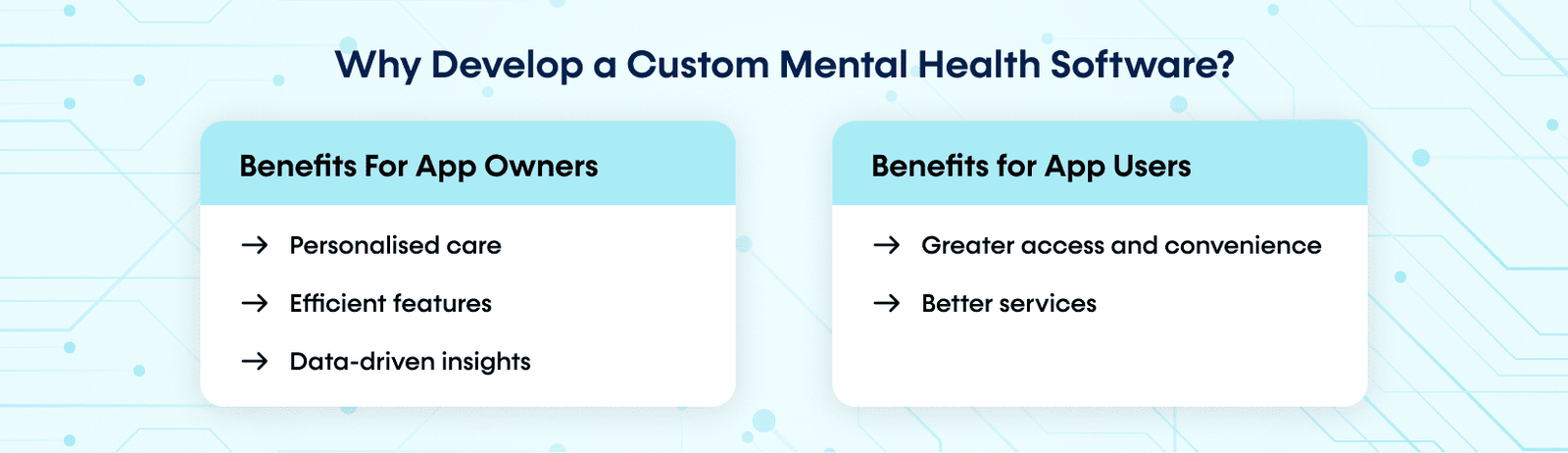
This shows that the need for mental health software isn’t slowing down. So if you have an idea for a helpful app in this niche, keep reading as we unfold the various aspects of developing a mental health app. Our custom healthcare software development team at EMed HealthTech will guide you through our well-implemented methods and solutions to build a mental health app that benefits both users and owners.

What is a Mental Health Software? 

What is a Mental Health Software

Mental health software refers to applications designed to support and improve mental well-being. Users can have these software tools on various devices like smartphones, tablets, or computers. 

Mental health apps offer a wide range of features and functionalities to assist individuals in managing their mental health. Some of them go beyond supporting individuals in need. They can be valuable for mental health professionals and organizations in several ways.

  1. These apps can serve as additional tools for professionals in therapy or counseling practices. 
  2. They can help professionals track and monitor their clients’ progress.
  3. They also improve communication and engagement between professionals and their clients. 
  4. For mental health organizations, these apps can act as a cost-effective means of extending their reach and impact.

Industry Growth in Mental Health Software Development

The mental health app development industry is experiencing significant growth in the mobile app market due to increasing demand. Statistics show that mental health disorders affect around 20.6% of the US population, with depression being the most prevalent at 3.8%. Concerns about psychological issues have risen by over 28% in Europe and the US, indicating a growing need for mental health support.

Vaile Wright, Ph.D., senior director for healthcare innovation at American Psychological Association, states, “A lot of work that happens in therapy happens outside the therapy office. Apps can facilitate that work. They can also help patients address co-occurring problems like insomnia or serve as booster sessions once therapy has ended.”

There are some challenges in implementing Telemedicine in mental health but, they can be overcome with proper implementation.

Market research predicts that the mental health software market will reach $5.2 billion by 2027, with a compound annual growth rate (CAGR) of 15.2% from 2020 to 2027. The study attributes this growth to the increasing prevalence of mental health disorders, tech advancements, and the growing adoption of telehealth and virtual care solutions.

Types of Mental Health Apps

Types of Mental Health Apps

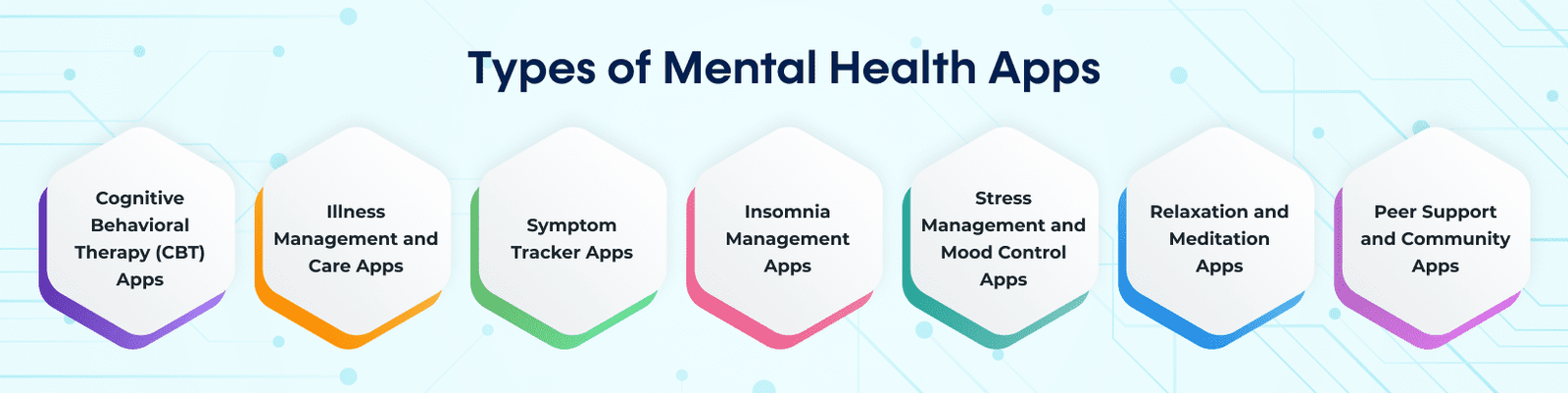
Mental health app development is mostly about delivering help to people having psychological issues. Various mental health apps are available today, each catering to different needs and preferences. As such, we can categorize mHealth apps into the following types.

1. Cognitive Behavioral Therapy (CBT) Apps

CBT apps deliver evidence-based cognitive behavioral therapy techniques and exercises to individuals seeking self-help for managing anxiety, depression, and other mental health conditions. These apps often include interactive tools and resources for self-reflection and behavior modification.

2. Illness Management and Care Apps

These apps facilitate communication between patients and healthcare providers or specialists. They enable users to track symptoms, record treatment progress, set reminders, and receive guidance or urgent care when needed. These apps can be handy for managing chronic mental health conditions.

3. Symptom Tracker Apps

These apps allow users to monitor and collect data on various aspects of their mental health, such as behavior patterns, social interactions, physical activity, and sleep cycles. While they do not replace professional diagnoses, they provide additional information to caregivers. They can alert specialists when further attention or assistance is required.

4. Insomnia Management Apps

With many people experiencing sleep difficulties, these apps offer tools and techniques to help individuals achieve better sleep. They may include relaxing sounds, guided meditations, sleep tracking, and personalized alarm clocks.

5. Stress Management and Mood Control Apps

Designed to track and manage mood fluctuations, these apps help users better understand and cope with anxiety, depression, or stress. They offer insights into mood patterns, identify triggers, and provide strategies for improving emotional well-being.

6. Relaxation and Meditation Apps

These apps provide programs and audio classes for meditation, breathing exercises, relaxation techniques, and better sleep. They aim to promote mindfulness, stress reduction, and overall mental well-being.

7. Peer Support and Community Apps

Peer support apps provide platforms for individuals to connect with others facing similar mental health challenges. These apps foster a sense of community, allowing users to share experiences, seek advice, and support one another.

Building a Custom Mental Health App

Building a Custom Mental Health App

Developing a custom mental health app is crucial for organizations and professionals to create personalized solutions that align with their branding and treatment approaches. 

These apps incorporate specific features such as appointment scheduling, secure messaging, progress tracking, and integration with electronic health records. They improve communication, treatment outcomes, and the overall patient experience. 

Custom apps also offer flexibility to address unique challenges and requirements of different user groups. Collaboration between software developers, mental health professionals, and stakeholders is necessary for developing a custom mental health app. 

The following section will delve deeper into critical considerations, features, and benefits of developing a compelling and impactful solution.

Why Develop a Custom Mental Health Software?

Why Develop a Custom Mental Health Software

Custom mental health software development has emerged as a crucial tool to bridge the gap between mental health professionals and individuals needing support. This section explores the benefits of developing custom mental health software for both app owners and users.

Benefits For App Owners

Building custom mental health software provides several advantages to app owners. 

Personalized care

It offers the opportunity to tailor the application to their specific requirements, ensuring that it aligns with their brand identity and meets the unique needs of their target audience. Customization allows for a personalized user experience, enhancing engagement and increasing the likelihood of positive outcomes.

Efficient features

Custom software development enables app owners to incorporate advanced features and functionalities that address specific mental health challenges. This may include modules for cognitive-behavioral therapies, videos, handouts, goal-setting tools, and quizzes or assessments. These features can provide valuable resources and support for users, empowering them to participate in their mental health journey actively.

Data-driven insights

Custom mental health software allows app owners to gather and analyze data. This helps to get valuable insights into user behavior, treatment effectiveness, and overall app performance. This data-driven approach enables app owners to continuously improve the software, enhance user engagement, and refine treatment approaches based on real-time feedback.

Benefits for App Users

Custom mental health software is a boon for users in several ways.

Greater access and convenience

Through telehealth options, individuals can access mental health services from the comfort of their own homes, eliminating the need for transportation, time off work, or arranging childcare. This is particularly significant for long-term treatment plans, as it provides a safe and convenient alternative to in-person appointments.

Better services

Custom mental health software also expands the range of behavioral health services available to users. It can include one-on-one therapy, group therapy, text therapy, addiction counseling, medication prescribing, mental health screening, and referrals. 

With the integration of digital tools and smartphone apps, users can also benefit from features like mood tracking, guided meditations, and self-help resources, enhancing their overall mental well-being.

How EMed HealthTech Can Help You With Successful Mental Health Software Development

How EMed Can Help You With Successful Mental Health Software Development

According to recent statistics, telehealth appointments for mental health services have surged, offering patients access to therapies, counseling, medication monitoring, and mental health screenings from the comfort of their homes. These facts prove that it’s potential of telemedicine-based mHealth software is pretty high! And that time is right for you to dive into building one. As experienced and trusted healthcare software developers, we will be delighted to help you on this journey.  

At EMed HealthTech, our Telemedicine software bridges the gap between healthcare professionals and patients, providing accessible and convenient care. With a strong emphasis on user experience and engagement, our software solution offers several USPs that set us apart from other solutions in the market.

1. Diverse Content and Resources

EMed Healthtech’s mental health software provides users with various categories and Cognitive Behavioral Therapies (CBTs). Users can access educational videos, informative articles, and step-by-step guides aligned with their mental health goals and needs.

2. Quizzes and Assessments

The software includes a comprehensive quiz and assessment module, offering users four types of examinations with predefined sets of multiple-choice questions. These assessments cover anger, anxiety, depression, and insomnia, helping users gain insights into their behavioral health status and empowering them to make informed decisions about their well-being.

3. Personalized Activity Recommendations

EMed Healthtech’s mental health software generates personalized activity recommendations based on the survey scores and assessment results. These recommendations guide users towards engaging in therapeutic activities tailored to their mental health needs, fostering progress and improvement.

4. Diary Module and Support

EMed Healthtech’s software incorporates a diary module that allows users to record their daily thoughts and experiences. Users can receive replies and suggestions based on their diary entries, creating a supportive environment and providing additional guidance to enhance their mental well-being.

The team here at EMed HealthTech is proud to develop effective telemedicine app development solutions for mental health services by delivering tailored solutions, fostering engagement, and offering comprehensive resources and support. To sum it up, our solution is truly user-centric as it prioritizes the unique needs and preferences of app owners and users with its approach. 

Ready to Build Your Custom Mental Health Software?

As you have seen, customized apps offer numerous benefits for app owners and users, providing personalized experiences, advanced features, data-driven insights, and convenient access to care. 

At EMed HealthTech, we have expertise in helping healthcare enterprises and innovators like you create impactful and scalable solutions. Whether you want to develop an all-in-one custom health app or behavioral health software, you can trust our team to help you build a great product.  

Ready to embark on your mental health software development journey? Contact EMed HealthTech today.

Developing a White Label Telemedicine Platform

Developing a White Label Telemedicine Platform – A Complete Guide

As our world hurtles forward in a whirlwind of technological advancements, our expectations for healthcare have evolved too. There is a demand for convenient and accessible healthcare solutions. Telemedicine has risen to the challenge and caters to the changing needs of the time. Healthcare providers now simply need only choose what kind of white label telemedicine platform they are ready to offer. 

Imagine having the power to create your very own telemedicine platform customized to meet the specific needs of your patients and healthcare providers. With a well-developed white label telemedicine app, you can do just that and more. 

In this article, we will explore the key features and functionalities of telemedicine platform, the development and implementation process, and the future trends and opportunities they present. We will also address the challenges and considerations involved in the telemedicine development process, ensuring that you are well-equipped to navigate this transformative journey. 

Understanding White Label Telemedicine Platform

Understanding White-Label Telemedicine Platforms

But before we dive into the nitty-gritty, let’s take a moment to appreciate the soaring demand for telemedicine services. The COVID-19 pandemic acted as a catalyst, accelerating the adoption of telemedicine and highlighting its indispensable role in delivering healthcare remotely.

According to a study, telemedicine software use increased considerably during the COVID-19 pandemic, with lower use in communities with higher poverty rates. They found that 30.1% of all outpatient visits were conducted via telemedicine software during the pandemic and that the number of weekly visits increased twenty-three-fold compared to pre-pandemic appointments. 

People now seek the convenience of virtual doctor consultations, saving time and effort by avoiding crowded waiting rooms. Telemedicine software has become a lifeline, connecting patients with healthcare professionals, irrespective of physical distance.

What is a White label Telemedicine App?

A white label telemedicine app is a software application allowing healthcare providers to offer telemedicine services to their patients under their brand. Unlike custom-built apps, white label apps are pre-developed and ready-to-use solutions that can be easily customized and rebranded to match the provider’s identity. These apps typically come with essential features such as appointment scheduling, video/audio consultations, secure messaging, and electronic health records (EHR) integration.

Healthcare providers can quickly establish a virtual presence, enabling patients to access medical consultations remotely. The app facilitates seamless communication between patients and healthcare professionals, allowing for real-time consultations, diagnoses, and treatment plans. It also provides a secure platform for sharing medical records and prescriptions.

White label telemedicine apps offer several advantages, including reduced development costs, faster time-to-market, and a tested user experience. These apps enable healthcare providers to leverage the power of telemedicine technology without the need for extensive technical knowledge or resources, ultimately enhancing patient access to healthcare services and improving overall healthcare delivery.

What sets apart white label telemedicine apps from custom-built solutions?

Custom telemedicine solutions differ in terms of their development process and customization options. A telemedicine app is a pre-built, ready-to-use solution that can be easily customized and rebranded to match a healthcare provider’s brand identity. 

In contrast to readymade software, custom-built software involves developing an app from scratch, tailored specifically to the provider’s unique requirements.

While white label apps offer a faster and more cost-effective option, custom-built solutions provide greater flexibility and control over the app’s features and design. Healthcare providers must consider their specific needs, resources, and time constraints when deciding between a white label telemedicine app and a custom-built solution for their telemedicine software.

Key Features and Functionality of  Telemedicine Platform

Key Features and Functionality of White-Label Telemedicine Platforms

1. Appointment booking and scheduling

White label platforms offer user-friendly interfaces for easy appointment management, including calendars, reminders, and rescheduling options.

2. Seamless doctor-patient communication

Real-time, secure messaging systems enable convenient communication between doctors and patients for consultations and inquiries.

3. Video, audio, and chat consultations

White label platforms support various consultation modes, accommodating patient preferences and medical conditions.

4. Electronic health records and data security

Integration with EHR systems provides access to patient history while stringent security measures protect sensitive data.

5. Integration with payment gateways

Secure payment gateways simplify transactions, allowing patients to make payments within the platform.

6. Customization for branding and user interface

Branding options, logos, and personalized interfaces create a consistent and tailored experience for patients.

Reasons You Should be Investing in a White Label Telemedicine Platform

Investing in a telemedicine solutions offers numerous advantages to the healthcare provider. Here are some of the reasons you should look for a telemedicine platform development:

Reasons You Should be Investing in a White-Label Telemedicine Platform

1. Cost-effectiveness

White label telemedicine platforms offer a cost-effective solution compared to custom-built options, as they eliminate the need for extensive development and coding from scratch.

2. Time-saving

Investing in a white label telemedicine platform allows you to launch your telemedicine services quickly without the lengthy development process, significantly reducing time-to-market.

3. Customizability

White label platforms provide the flexibility to customize and brand the app according to your organization’s identity, ensuring a seamless user experience for both patients and healthcare providers.

4. Proven functionality

White label telemedicine platforms are already tested and refined, ensuring reliable performance and a user-friendly interface, backed by their successful implementation in the market.

5. Scalability

With a white label solution, you can easily scale your telemedicine services as your user base grows without worrying about technical limitations or infrastructure constraints.

6. Enhanced patient care

A white label telemedicine platform allows for efficient remote consultations, enabling patients to access healthcare services conveniently and receive timely medical assistance regardless of their location.

7. Competitive advantage

Investing in a white label telemedicine platform gives your organization a competitive edge in the evolving healthcare industry, meeting the increasing demand for accessible and convenient telemedicine services.

Developing a White Label Telemedicine Platform

Developing a White-Label Telemedicine Platform

Let us look into the process of creating a white label telemedicine app for your healthcare service. 

Step 1: Researching and choosing a white label telemedicine provider

The first step in developing a white label telemedicine platform is to research and select a reliable and reputable white label telemedicine provider. Evaluate different providers based on factors such as their track record, customer reviews, available features, scalability, and pricing plans. Consider your specific requirements and choose a provider that aligns with your business goals.

Step 2: Understanding the technical requirements and specifications

Once you’ve chosen a provider, it’s essential to understand the technical requirements and specifications of the white label platform. This includes determining compatibility with different devices and operating systems, network requirements, and integration capabilities with other systems or databases. Collaborate with your IT team or the provider’s technical support to ensure a smooth implementation.

Step 3: Customization and branding considerations

Customization options should be explored to create a unique and branded telemedicine software. Consider aspects like logo placement, color schemes, fonts, and overall user interface design. Ensure that the platform reflects your organization’s brand identity and provides a seamless user experience for patients and healthcare providers.

Step 4: Integrating necessary features and functionalities

Work closely with the white label provider to integrate the required features and functionalities into the platform. This may include appointment scheduling, secure messaging, video consultations, electronic health records, payment gateways, and other specific requirements based on your telemedicine services. Ensure that the platform supports essential functionalities for both patients and healthcare professionals.

Step 5: Testing and quality assurance processes

Before launching the platform, rigorous testing and quality assurance processes are crucial. Conduct thorough testing to identify and fix any bugs, ensure proper functionality, and verify the security of patient data. Test the platform from different devices and networks to ensure a consistent and reliable user experience. Perform comprehensive quality checks to guarantee that the platform meets industry standards and regulatory compliance.

Future Trends and Opportunities in White Label Telemedicine Platforms

Future Trends and Opportunities in White-Label Telemedicine Platforms

The future of white label telemedicine platforms holds exciting possibilities for innovation and growth. Here is what we can expect from Telemedicine and Telehealth in 2023 and in the future. Advancements in artificial intelligence and machine learning are poised to enhance the capabilities of these platforms, enabling personalized treatment plans and more accurate diagnoses. Integration with wearable devices and remote monitoring tools will enable continuous health tracking, further enhancing the remote healthcare experience. Moreover, telemedicine services are expanding beyond primary care, encompassing specialties and subspecialties, opening up new avenues for telemedicine software providers. The increasing demand for telemedicine services presents significant opportunities for platform providers to meet the evolving needs of patients and healthcare professionals alike. By staying at the forefront of these trends, white label telemedicine platform providers can shape the future of healthcare delivery.

Final Words

Developing a white label telemedicine platform allows healthcare providers to meet the growing demand for convenient and accessible healthcare services. 

With the ability to customize and brand the platform, healthcare providers can establish their virtual presence quickly and provide seamless communication between doctors and patients. By leveraging these platforms, healthcare providers can revolutionize the way healthcare is delivered, ensuring accessibility, convenience, and quality care for all.

If you’re ready to harness the power of white label telemedicine platforms, EMed HealthTech – a healthcare app development company is here to help. 

With our expertise in building customizable and branded telemedicine solutions, we can empower your healthcare organization to deliver convenient and accessible healthcare services. 

Contact us today to explore the possibilities!